Water Treatment and Purification for Farms and Facilities
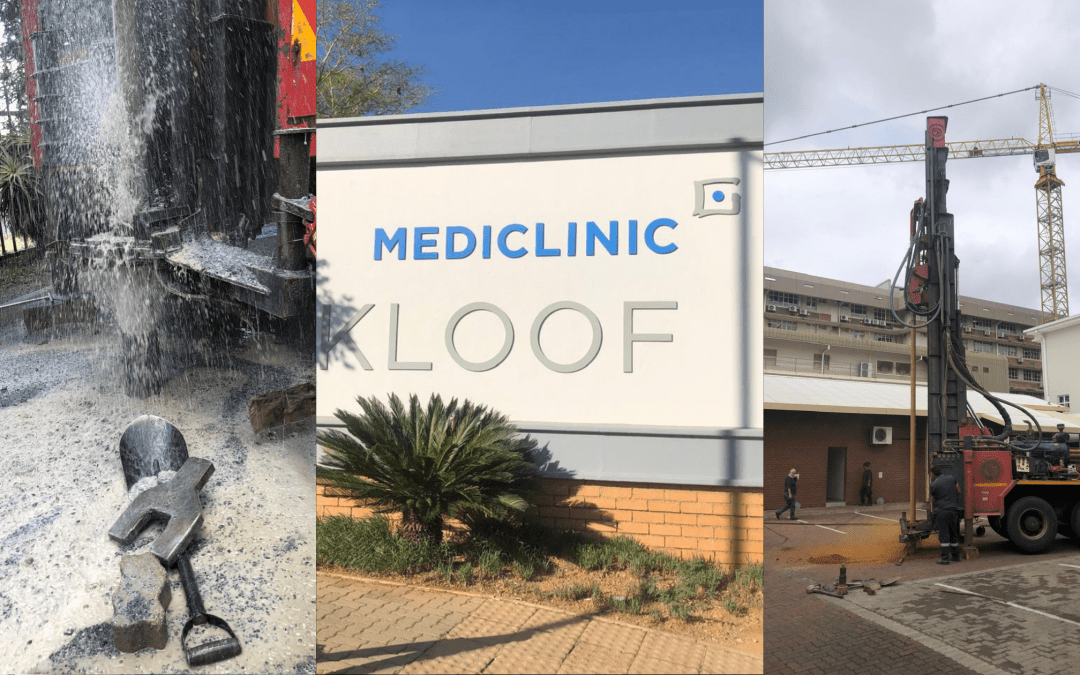
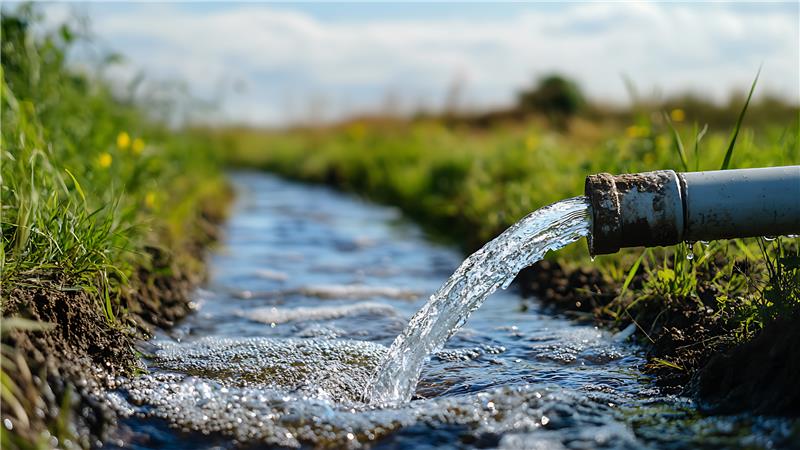
Water treatment and purification in South Africa support safe, reliable operations across agriculture, healthcare, and industrial facilities. Moreover, clean water enables consistent performance and helps sites maintain regulatory compliance. Because many operations work off-grid or rely on unstable municipal supply, managers often draw water from boreholes, rivers, or blended sources. These inputs frequently carry bacteria, elevated dissolved solids, or heavy metals; therefore, teams need effective treatment to keep water safe for daily processes.
Challenges in Agricultural and Industrial Water Use
Farms and healthcare facilities frequently use raw water that introduces health risks or accelerates equipment wear. In agriculture, high TDS levels can stress crops and gradually increase soil salinity; as a result, yields and long-term soil health decline. Clinics depend on sterile water to support medical procedures and protect vulnerable patients. In addition, commercial and industrial sites rely on low-scaling water to safeguard boilers, cooling systems, and high-value machinery, thereby reducing costly downtime.
Water Treatment and Purification Technologies
Modern purification technologies improve operational reliability and support efficient water management across industrial and agricultural applications. Furthermore, they allow sites to keep using local water sources without compromising safety.
1. Site-Specific Water Testing
First, technicians carry out testing that aligns with the intended water use; drinking, irrigation, or cooling. Laboratory analysis then identifies microbial risks, heavy metals, and mineral concentrations, so designers can size and configure each system with accurate, application-specific data.
2. Reverse Osmosis (RO)
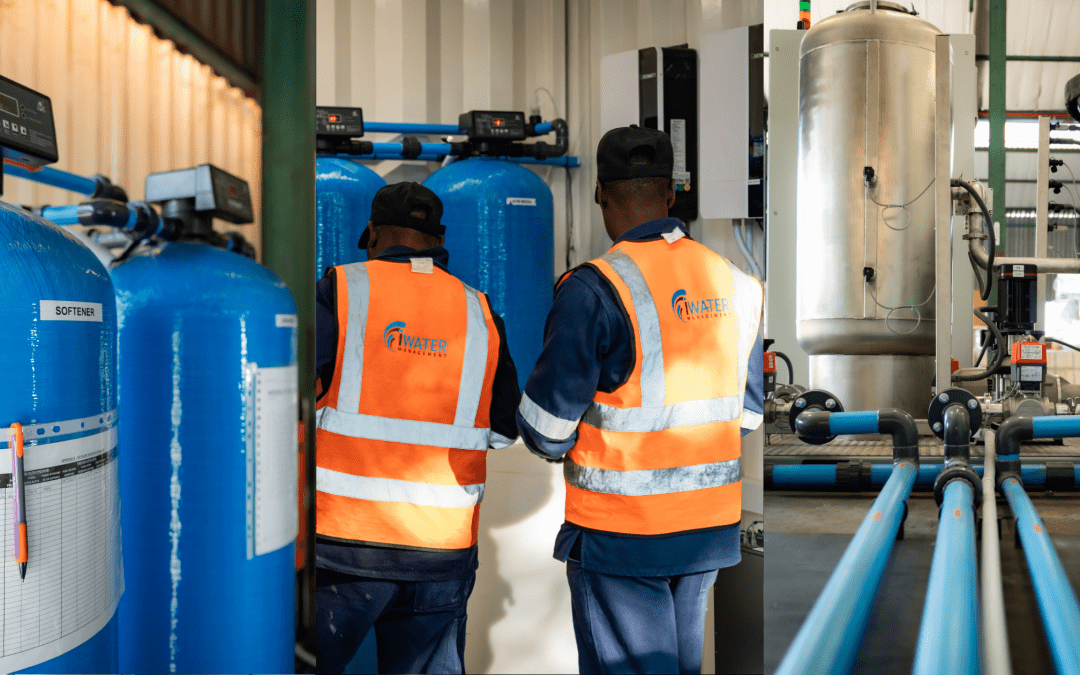
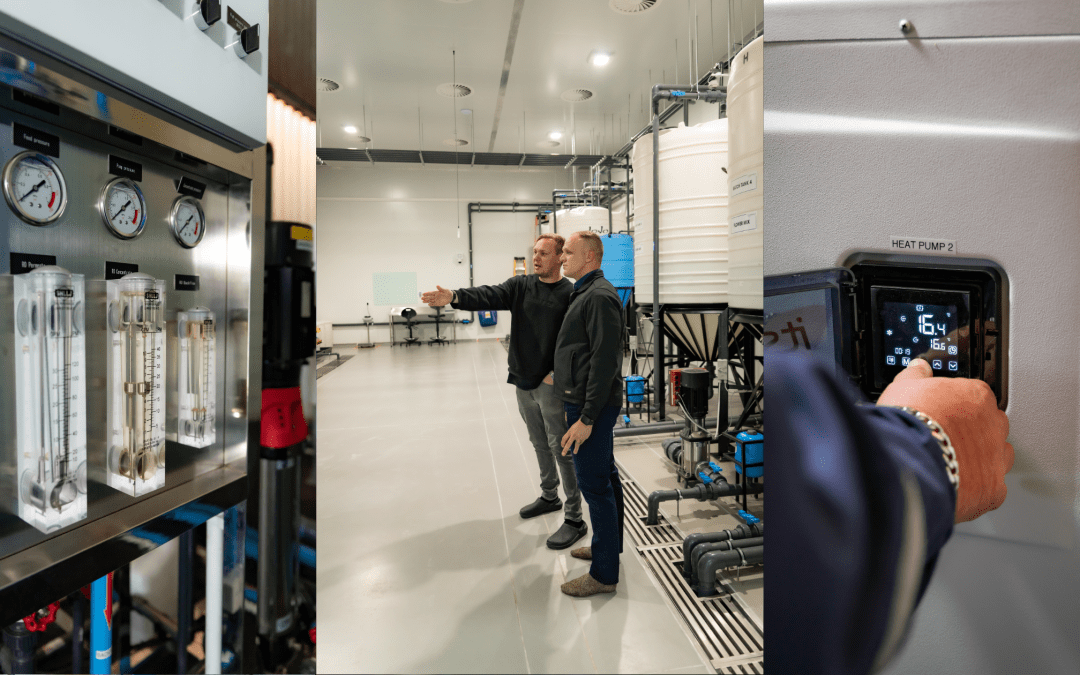
Next, reverse osmosis (RO) removes nitrates, TDS, and a wide range of harmful contaminants. Farms rely on RO to improve crop performance and limit scale in irrigation equipment. Likewise, clinics depend on RO units to supply water that meets patient-care requirements and supports critical devices such as autoclaves and dialysers.
3. Disinfection Systems
After primary treatment, disinfection systems deal with remaining microorganisms. UV sterilisation or chlorination eliminates bacteria and viruses before the water reaches points of use. Additionally, ozone systems give facilities with high microbial risk; such as food processors or clinics, an option for enhanced disinfection capability.
4. Filtration Units
Filtration units work throughout the treatment train. Multimedia filters, carbon units, and pre-sediment filters all operate according to the source water quality. Consequently, these units control solids, odours, and organics before the water passes to cartridges, membranes, or storage tanks.
5. Storage and Distribution
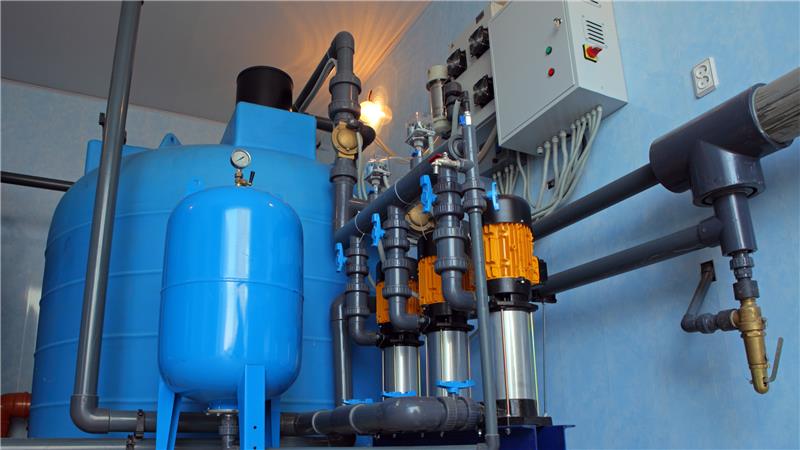
Finally, operators store treated water in sealed tanks and use booster pumps to deliver consistent, pressurised flow throughout the facility or farm. This approach not only stabilises supply during peak demand but also provides reserve capacity during municipal outages or pump failures.
Frequently asked questions
Q: Can borehole water be used without purification?
A: Not safely. Borehole water should be tested and treated before use, especially for human or animal consumption.
Q: Is RO suitable for irrigation?
A: Yes. For crops sensitive to salinity, RO improves productivity and prevents soil degradation.
Q: How often should commercial systems be maintained?
A: Monthly system checks and annual membrane/filter replacements are recommended.
Ensure Safe Water for Your Operations
The quality of your water affects safety, output, and compliance across farms, clinics, and industrial sites. Investing in treatment and purification strengthens operational reliability and supports long-term sustainability.
Need expert support with your water systems? Contact iWater Management at hello@iwatermanage.co.za or call 010 026 4225 to discuss your requirements.