
SECURE WATER ACCESS
Professional Borehole Drilling Services in Cape Town
Secure reliable, long-term groundwater access for your home, farm, or business. Our expert team delivers precision borehole drilling, pump installation, and complete water system solutions across the Western Cape.
CAPE TOWN WATER SOLUTIONS
Reliable Borehole Drilling Solutions for Cape Town Properties
Cape Town’s recurring water challenges, including seasonal droughts and municipal supply restrictions, have made private boreholes an essential investment for homeowners and businesses across the region. A professionally drilled and properly equipped borehole provides a sustainable, independent water source that reduces your reliance on municipal supply while offering significant long-term cost savings.
iWater Management brings extensive experience in Cape Town’s unique geological conditions, from the granite and sandstone formations of the Southern Suburbs to the sandy aquifers of the Cape Flats. Our team understands the specific drilling requirements for each area, ensuring optimal water yield and system performance for your property.
Flexible Financing Available
We provide financing options to help you get the solution you need. Whether you’re investing in borehole drilling, solar-powered water systems, or full-scale treatment solutions, our financing plans make it easier to get started today and pay over time.
OUR SCOPE OF WORK
What’s Included in Our Borehole Drilling Service
Our service covers the complete process from initial geological assessment through to system commissioning. We handle every aspect of your groundwater project to deliver a safe, efficient, and fully operational water system designed for local conditions.

Site Feasibility Assessment
Comprehensive evaluation of your Cape Town property’s geological conditions, including soil composition, existing water table data, and local borehole records. We assess site access requirements and determine optimal drilling locations based on the specific geology of your suburb.

Borehole Drilling & Casing
Precision drilling using equipment suited to Cape Town’s varied terrain, from the rocky outcrops of Constantia to the sandy soils of Milnerton. Professional casing installation protects your borehole structure and ensures long-term water quality.

Borehole Development
High-pressure flushing and development techniques remove drilling debris, silt, and sand to maximise water yield. This critical step ensures clean, sediment-free water from your new Cape Town borehole.
Pump & System Installation
Selection and installation of the right submersible pump for your borehole’s yield and your property’s water demands. We install complete systems including pressure tanks, piping, electrical connections, and control systems.
Pump Yield & Water Testing
Comprehensive flow rate testing and SANS 241 water quality analysis to confirm your borehole’s sustainable yield and water safety. We provide detailed test reports for your records and, if required, for City of Cape Town registration.

System Commissioning & Handover
Final system inspection, operational testing, and complete client handover including maintenance guidance. We ensure you understand your new system and provide ongoing support.
Book Your Borehole Consultation Today
END-TO-END DELIVERY
How Our Borehole Drilling Process Works
We follow a structured, transparent process from initial consultation through to final commissioning. Our team ensures each borehole is optimally positioned, correctly installed, and performs to its full yield potential.

Consultation
Site visit to your property, needs analysis, and comprehensive assessment of drilling feasibility.
Plan & Proposal
Custom quote based on your specific requirements, including detailed scope of work and project timeline.

Delivery
Professional drilling, pump installation, and full system setup by our experienced team.

Maintenance
Ongoing support, system servicing, and maintenance plans to keep your borehole performing optimally.
AREAS WE SERVE
What Our Clients Say
We provide borehole drilling services across Cape Town and the surrounding Western Cape region, with extensive experience in the diverse geological conditions found throughout the Cape Peninsula.
Southern Suburbs
Constantia, Tokai, Bergvliet, Plumstead, Wynberg, Claremont, Newlands, Rondebosch, Bishopscourt, Kenilworth
Northern Suburbs
Bellville, Durbanville, Brackenfell, Kraaifontein, Parow, Goodwood, Tygerberg, Welgemoed, Bellville South
Atlantic Seaboard
Sea Point, Camps Bay, Clifton, Bantry Bay, Fresnaye, Green Point, Mouille Point, Llandudno, Hout Bay
Cape Flats & Surrounds
Mitchells Plain, Strandfontein, Philippi, Grassy Park, Retreat, Muizenberg, Fish Hoek, Simons Town
West Coast & Blouberg
Bloubergstrand, Table View, Milnerton, Parklands, Sunningdale, Big Bay, Melkbosstrand, Atlantis
Helderberg & Winelands
Somerset West, Strand, Gordons Bay, Stellenbosch, Paarl, Franschhoek, Wellington
TESTIMONIALS
What Our Clients Say
Frequently Asked Questions
How much does borehole drilling cost?
Borehole drilling costs depend on factors including drilling depth, geological conditions, pump requirements, and system specifications. A complete residential borehole system typically ranges from R60,000 to R150,000 or more. The drilling itself is charged per metre, with rates varying based on ground conditions. We provide detailed quotes after conducting a site assessment, ensuring you understand exactly what’s included. Financing options are available to spread the cost.
When should you stop drilling a borehole?
Knowing when to stop drilling a borehole requires professional judgement based on several factors. We stop drilling when we’ve reached a suitable water-bearing formation with adequate yield, typically confirmed through water strike indicators and flow testing. In Cape Town, this varies by area – some locations yield water at 40 metres while others require 120+ metres. We also consider the aquifer’s sustainable yield, geological formations encountered, and cost-effectiveness. Our experienced drillers monitor conditions throughout and will advise if continuing isn’t viable.
Can borehole water run out?
Yes, borehole water can run out if the aquifer is over-pumped or during extended droughts, though this is usually temporary. A properly designed system with correct pump sizing prevents over-extraction. In Cape Town, sustainable yield testing determines how much water you can safely draw daily without depleting your borehole. Factors affecting supply include aquifer recharge rates, neighbouring borehole usage, and seasonal rainfall patterns. We design systems to match your borehole’s sustainable capacity, and maintenance plans help monitor water levels over time.
Are boreholes legal in South Africa?
Yes, boreholes are completely legal in South Africa. Under the National Water Act, you can drill a borehole on your property for reasonable domestic use and small-scale gardening without a water use licence. For larger volumes (commercial, agricultural, or industrial use), you may need authorisation from the Department of Water and Sanitation. The City of Cape Town requires all boreholes to be registered regardless of use. We guide our clients through the registration process and help determine if additional permits are needed for your specific application.
How do I register a borehole and get a certificate?
To register your borehole with the City of Cape Town, you need to complete their online registration form and provide details including GPS coordinates, depth, yield, and water quality test results. Upon registration, you receive a borehole certificate confirming your registration. We assist all our clients with this process, providing the necessary technical documentation including yield test results and SANS 241 water quality certificates. Registration helps the city manage groundwater resources sustainably and is required before connecting borehole water to your property’s plumbing.
How often should borehole water be tested?
We recommend testing borehole water at least annually for domestic use boreholes, with more frequent testing (quarterly or bi-annually) if the water is used for drinking. Initial testing should include a comprehensive SANS 241 analysis covering microbiological and chemical parameters. Subsequent tests can focus on key indicators unless changes in taste, colour, or odour suggest broader testing is needed. Factors like nearby construction, agricultural activity, or flooding may warrant additional testing. Our maintenance plans include scheduled water quality monitoring to ensure ongoing safety.
Is borehole water safe to drink?
Borehole water safety varies depending on your location and the aquifer’s characteristics. While groundwater is often cleaner than surface water, it can contain elevated minerals, iron, manganese, or naturally occurring contaminants that require treatment. Microbiological contamination is possible if the borehole isn’t properly sealed or is near pollution sources. We conduct comprehensive SANS 241 water quality testing on all boreholes and recommend appropriate treatment systems – from basic filtration to full purification – based on your specific results. Many boreholes in this region produce excellent quality water with minimal treatment.
How deep are boreholes typically drilled in the Cape Town area?
Borehole depths vary significantly depending on the area and underlying geology. In the Southern Suburbs near the mountain, depths of 60-120 metres are common due to the Table Mountain sandstone formations. On the Cape Flats, shallower aquifers may be found at 30-60 metres. The Northern Suburbs and Durbanville area typically require 80-150 metre boreholes through Malmesbury shale. Our site assessment, which considers local geological data and neighbouring borehole records, determines the expected depth for your specific location.
How are boreholes drilled?
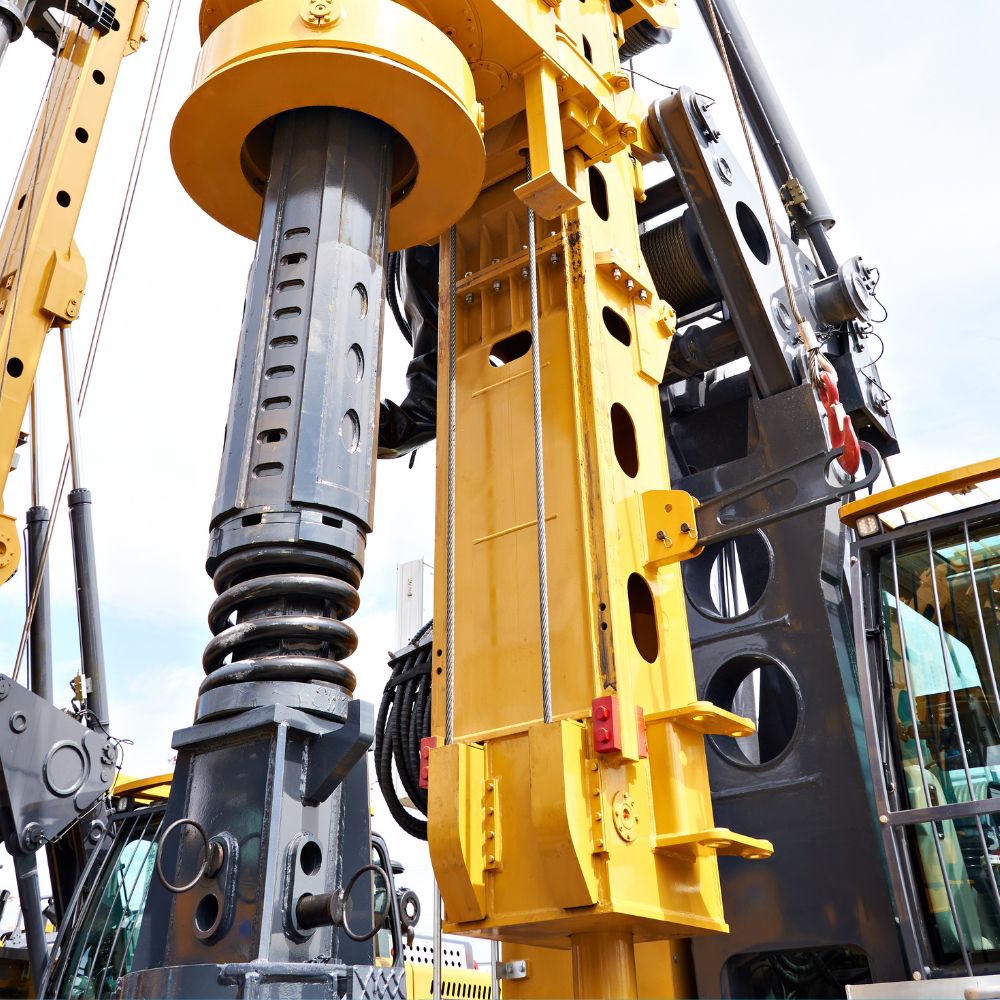
Borehole drilling uses rotary percussion or rotary drilling methods depending on the geology. A drilling rig drives a rotating drill bit into the ground while circulating water or air removes rock cuttings. As drilling progresses, steel casing is installed to prevent collapse and protect the borehole from surface contamination. Once the water-bearing zone is reached, the borehole is developed using high-pressure flushing to clear debris and maximise water flow. Finally, a submersible pump is installed at the optimal depth, connected to surface pipework and your property’s water system.
How long does it take to drill a borehole?
The drilling process itself typically takes 1-3 days depending on depth and ground conditions. Complete system installation, including pump, piping, electrical connections, and pressure systems, usually adds another 2-3 days. From initial consultation to a fully operational system, most residential projects are completed within 2-3 weeks, allowing time for water quality testing and any necessary approvals.
What happens if no water is found when drilling?
While our thorough site assessment significantly reduces this risk, we discuss all possibilities upfront. In Cape Town, the success rate for finding usable groundwater is generally high due to the region’s favourable geology. If initial drilling doesn’t yield sufficient water, options may include drilling deeper, drilling a second hole in a different location, or in rare cases, accepting a dry hole. We provide transparent information about water likelihood for your specific area and clearly explain our approach to this scenario during the consultation phase.
Do you offer borehole repairs and maintenance?
Yes, we provide comprehensive borehole repair and maintenance services. Common issues we address include pump failures, reduced water yield, electrical faults, pressure tank problems, and water quality changes. Our maintenance plans include regular inspections, pump servicing, water level monitoring, and periodic water quality testing. For emergency repairs, our team responds promptly to get your water supply restored. Regular maintenance extends your borehole system’s lifespan and prevents costly breakdowns.
