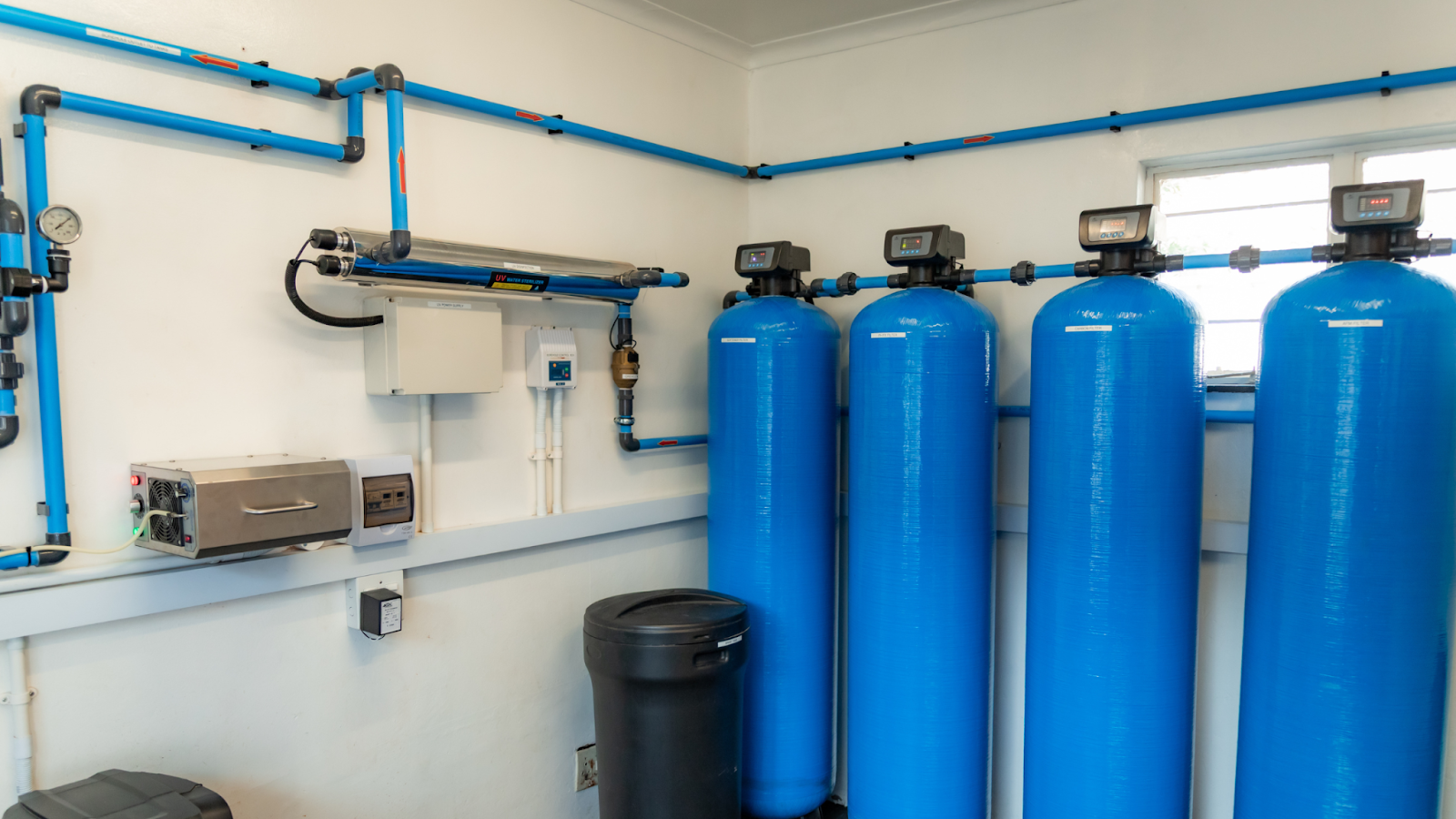
Effective water treatment and purification solutions in South Africa play a crucial role in supporting modern residential estates as water quality challenges continue to rise nationwide. Moreover, growing water insecurity and unreliable municipal infrastructure require estates to adopt proactive strategies to secure clean and safe water. Many estates rely on boreholes, rainwater harvesting, or hybrid supply models; therefore, a compliant treatment system becomes essential for long-term reliability. As a result, proper purification protects residents’ health, supports infrastructure longevity, and ensures ongoing adherence to national quality standards.
Why Water Treatment and Purification Matter in Estates
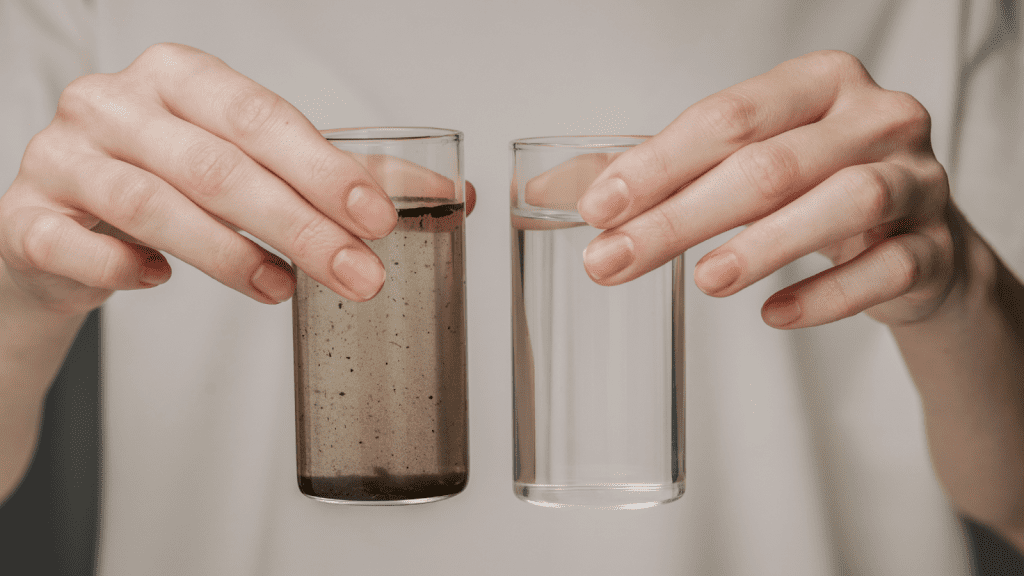
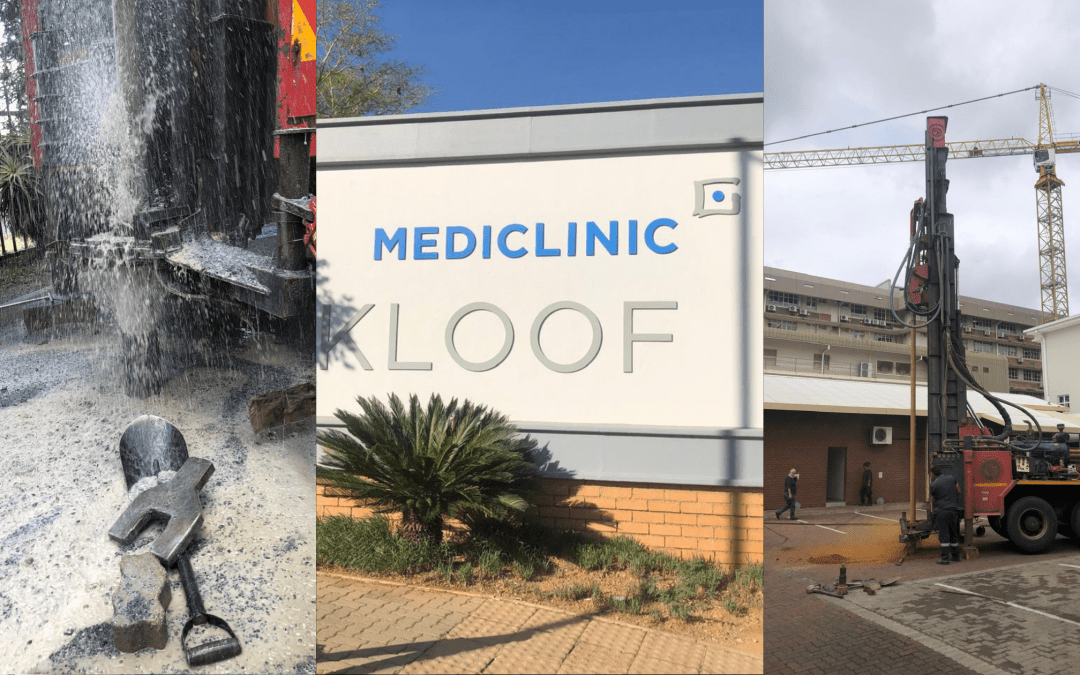
Estates often source water from boreholes or municipal lines that fluctuate in reliability. Borehole water may carry iron, manganese, or harmful pathogens. Municipal water, however, can experience interruptions caused by load-shedding, pipe failures, or contamination events. In both cases, untreated water introduces significant health and infrastructure risks. Consequently, compliant treatment ensures alignment with SANS 241: South African National Standard for Drinking Water, thereby safeguarding water quality for all residents.
Core Components of Estate Water Systems
1. Source Testing and Water Profiling
All water sources require testing for microbiological, chemical, and physical parameters. This includes pH, iron, manganese, nitrate levels, and bacterial contamination. Furthermore, accurate analysis guides system design and ensures appropriate treatment selection.
2. Pre-Treatment and Filtration
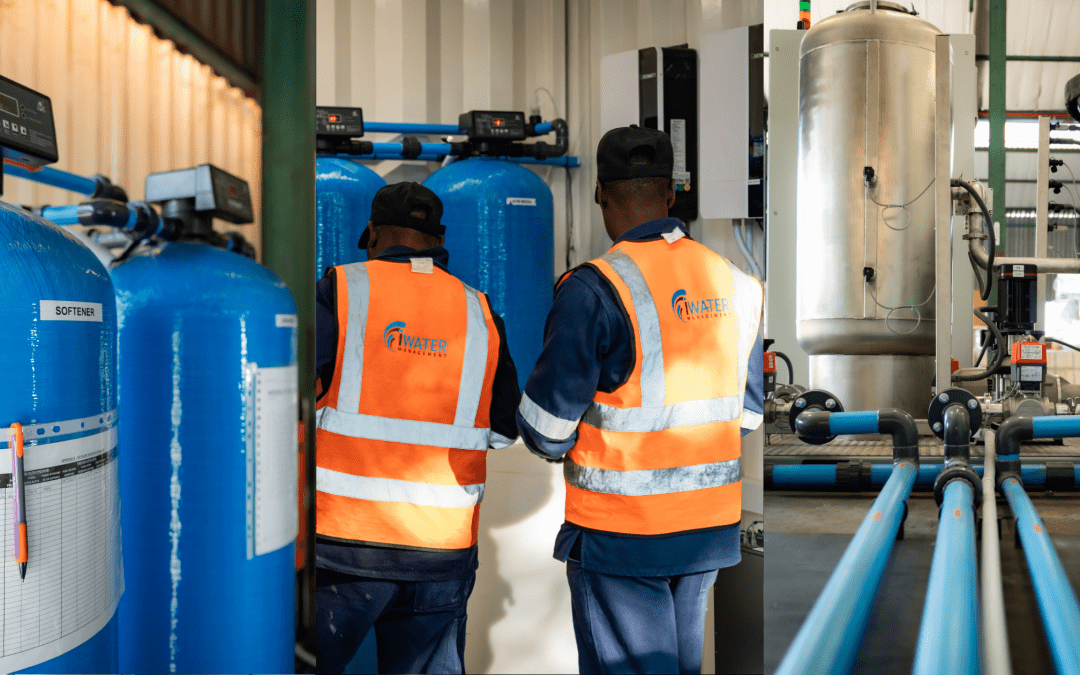
Pre-treatment addresses suspended solids, odours, and minerals. Common equipment includes: Sediment filters for sand and debris, Activated carbon filters to remove taste and odor, Softening units for hardness reduction.
3. Disinfection and Purification
Disinfection systems neutralize pathogens. Solutions may include:
Sterilisation: effective for bacteria and viruses without chemicals
Chlorination: Provides a residual disinfectant for stored water
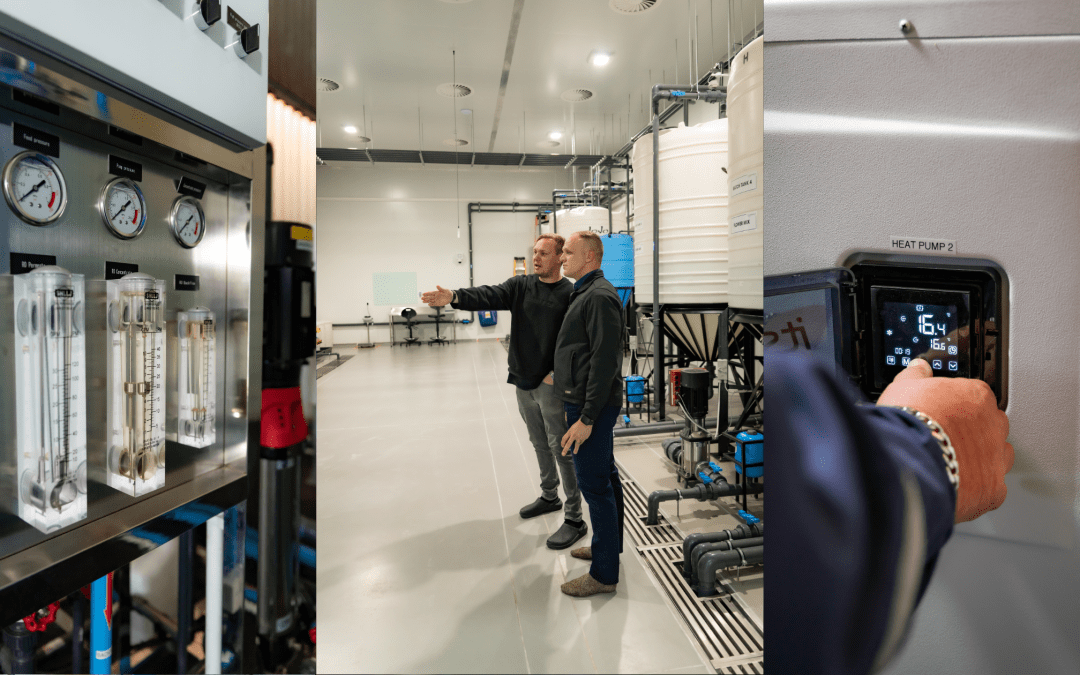
Reverse Osmosis (RO): For estates with high TDS or mineral content
4. Storage and Pressure Management
Purified water is stored in hygienic tanks and distributed through booster pumps to ensure stable water pressure throughout the estate.
5. System Maintenance and Monitoring
Maintenance includes filter changes, UV lamp replacement, chlorination checks, and periodic water testing. Remote monitoring enhances reliability and performance tracking.
Frequently asked questions
Q: What if we use municipal water only?
A: Municipal water can still carry sediment, chlorine, or be disrupted. Treatment enhances quality and ensures continuity.
Q: Is UV better than chlorine?
A: UV is chemical-free and effective at the point of entry. Chlorine is better for residual protection in storage and pipes.
Q: How often should water be tested?
A: At least quarterly for microbial and annually for chemical parameters.
Take Control of Your Estate’s Water Quality
South African estates must take water quality seriously. By investing in reliable treatment and purification systems, estate managers can safeguard health, reduce maintenance costs, and achieve regulatory compliance. Need expert help with your water systems? Contact iWater Management at hello@iwatermanage.co.za or call 010 026 4225 to discuss your needs.