Water security has become an increasing concern for many homes, farms, and businesses across South Africa. Rising municipal water costs, water restrictions, and ageing infrastructure have pushed many property owners to look for more reliable water sources. One of the most effective solutions is borehole drilling, which allows property owners to access underground groundwater reserves.
In this article, we explore how borehole drilling works, why it is becoming increasingly popular in South Africa, and how professional drilling services help ensure long-term water independence.
What Is Borehole Drilling?
Borehole drilling is the process of drilling a deep, narrow shaft into the ground to access groundwater stored in underground aquifers. This water can then be pumped to the surface for use in residential, agricultural, commercial, or industrial applications.
A properly installed borehole provides a sustainable water supply that can be used for:
- Household water supply
- Garden irrigation
- Agricultural use
- Commercial operations
- Industrial processes
With the right equipment and geological assessment, boreholes can deliver a dependable water source for many years.
Why Boreholes Are Growing in Popularity
Across South Africa, water scarcity and municipal supply challenges are encouraging more property owners to invest in independent water solutions.
Some of the main reasons people install boreholes include:
1. Water Security
Municipal water disruptions and restrictions are becoming more common. A borehole allows you to access groundwater directly, reducing dependence on public supply systems.
2. Lower Water Costs
Once installed, boreholes can significantly reduce long-term water costs because groundwater extraction eliminates monthly municipal water charges for many applications.
3. Property Value
A property with a functioning borehole is often more attractive to buyers because it offers self-sufficiency and resilience during drought periods.
4. Sustainable Water Source
Groundwater is a naturally replenishing resource when managed responsibly, making boreholes a sustainable option for long-term water supply.
The Borehole Drilling Process
Professional borehole drilling involves several technical steps to ensure the best chance of finding reliable groundwater.
1. Groundwater Survey
Before drilling begins, specialists conduct a geological or geophysical survey to identify the most promising drilling location.
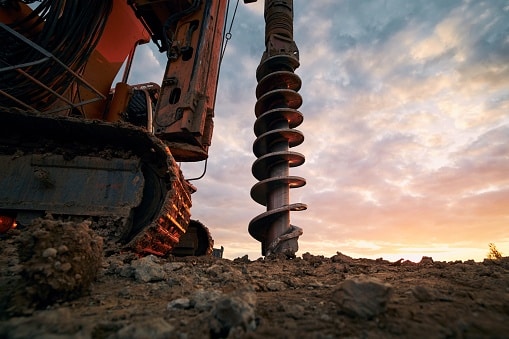
2. Borehole Drilling
Using specialised drilling rigs, technicians drill through soil and rock layers until the groundwater aquifer is reached.
3. Casing Installation
Steel or PVC casing is installed to stabilise the borehole and prevent collapse.
4. Yield Testing
After drilling, the borehole is tested to determine how much water it can produce and whether it can meet the property’s needs.
5. Pump Installation
A submersible pump is installed to extract water efficiently from the borehole.
6. Water Quality Testing
Water samples are analysed to ensure the water is safe and suitable for its intended use.
Where Boreholes Are Most Commonly Used
Borehole drilling is widely used across many sectors in South Africa.
Residential Properties
Homeowners install boreholes to reduce water bills and maintain gardens, pools, and household supply during water restrictions.
Farms and Agriculture
Agricultural operations rely heavily on groundwater for irrigation and livestock watering.
Commercial and Industrial Sites
Businesses install boreholes to maintain operational continuity and reduce operating costs associated with municipal water.
Key Factors That Affect Borehole Success
The success of a borehole depends on several factors, including:
- Local geology and rock formations
- Depth required to reach groundwater
- Aquifer yield capacity
- Proper drilling techniques
- Professional installation and testing
Working with experienced drilling specialists significantly improves the likelihood of a productive borehole.
Is Borehole Drilling Right for Your Property?
While boreholes provide many advantages, each site is unique. Professional assessment helps determine:
- Whether groundwater is available
- The estimated drilling depth
- Expected water yield
- Installation costs and system requirements
With the right planning, a borehole can become one of the most valuable long-term investments for a property.
Secure Your Future
Borehole drilling offers a reliable way to secure an independent water supply and reduce reliance on municipal systems. With the right expertise and installation, a borehole can provide a long-term solution for homes, farms, and businesses across South Africa.
Contact iWater Management today to learn more about our borehole drilling services and secure a reliable water source for your property.