Securing Reliable Water Supply for Operational and Residential Demands
Operating a coal mine requires a dependable and compliant water supply capable of supporting demanding industrial processes as well as on-site residential facilities. At this operational mining site, managing significant volumes of water is essential for dust suppression, cooling systems, mineral processing activities and the daily needs of the mining camp. Ensuring consistent availability while meeting strict quality standards presented a complex challenge that required an integrated and carefully engineered solution.
iWater Management was appointed to design and implement a comprehensive water management system that would provide the mine with an independent water source, ensure regulatory compliance and establish long-term operational resilience.
Geological Assessment and Strategic Borehole Development
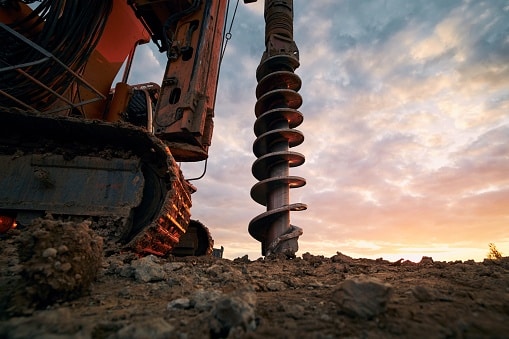
The project began with detailed geological mapping and a comprehensive ground study to understand the hydrogeological characteristics of the site. Identifying viable water-bearing formations and evaluating expected yield and quality were critical steps in determining the most suitable drilling location. This scientific, data-driven approach ensured that groundwater abstraction would be both efficient and sustainable over the long term.
Following completion of the geological assessment, a borehole was successfully drilled to establish a consistent and independent on-site water source. By reducing reliance on municipal supply, the mine significantly strengthened its water security and minimised operational risk associated with external supply interruptions. The borehole now supports industrial requirements including dust control measures, cooling processes and other essential mining activities, while also supplying water to the residential camp.
Achieving SANS 10299 and SANS 241 Compliance
Because the extracted groundwater serves both industrial purposes and potable consumption within the camp, water quality management formed a central part of the project. The treatment system was therefore designed and implemented in accordance with SANS 10299, which governs water treatment processes, and SANS 241, which sets the national standard for drinking water quality.
Compliance with these standards ensures that treated water is safe for human consumption while remaining suitable for demanding operational use. This approach protects the health and wellbeing of workers on site and reinforces adherence to environmental and regulatory obligations within the mining sector.
Containerised Water Treatment for Remote Reliability
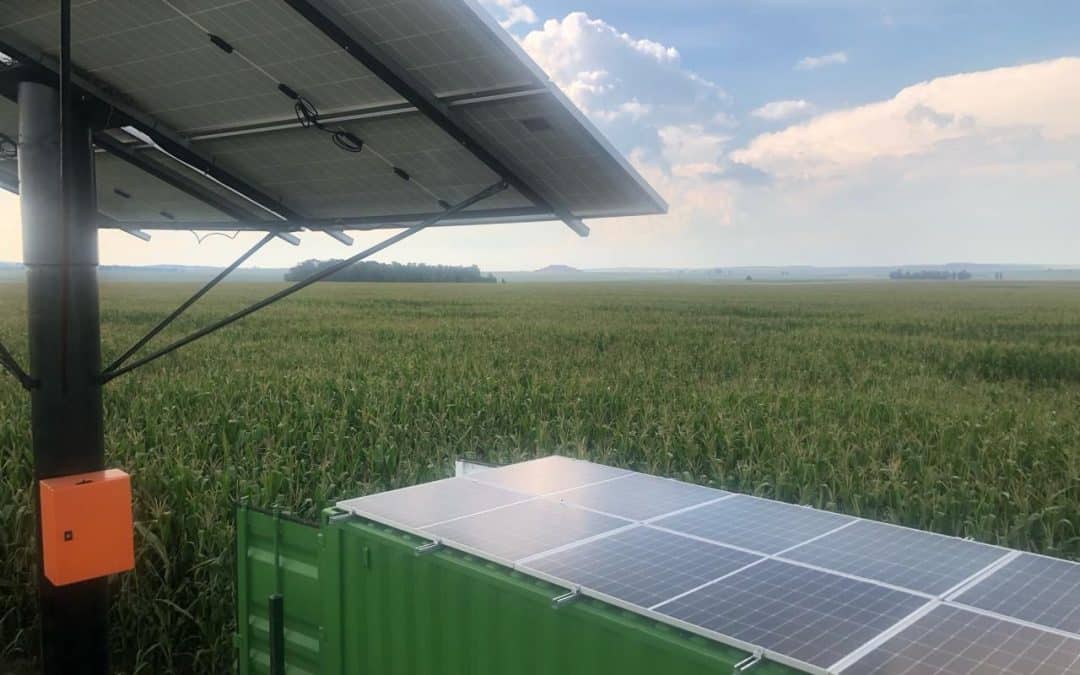
To ensure water consistently met required quality standards, a containerised water treatment plant was installed at the mine. The modular nature of the system makes it particularly suited to remote mining environments, where infrastructure must be robust, transportable and adaptable to changing operational demands. The plant effectively purifies borehole water by removing impurities and ensuring compliance with drinking water regulations.
The containerised design allows for efficient installation and future scalability, providing the flexibility to adjust treatment capacity should water demand increase. This ensures reliable on-site purification capability even in locations where access to conventional municipal treatment infrastructure may be limited.
Steel Water Storage for Operational Continuity
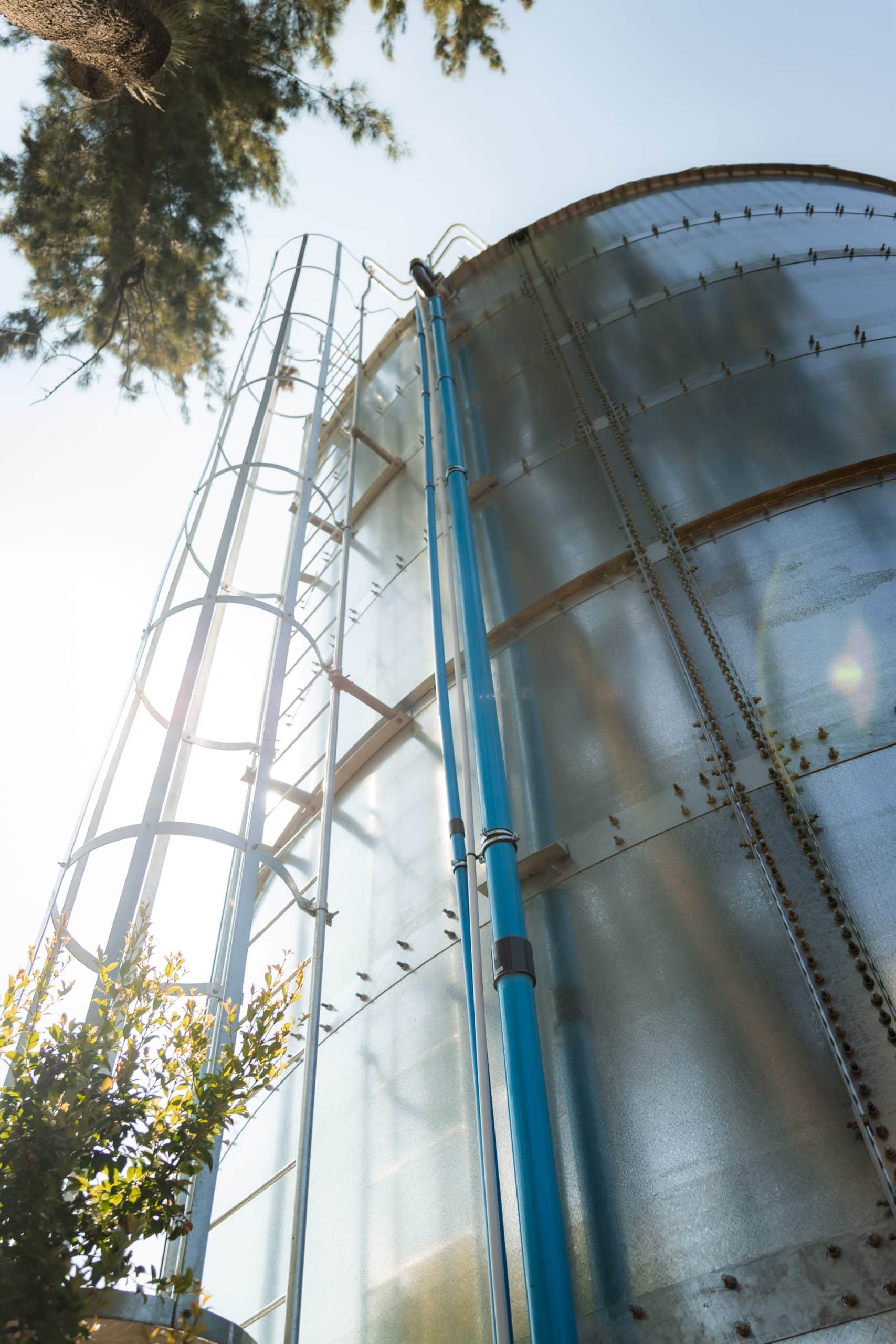
To further strengthen water security, steel water storage tanks were installed to store treated water and maintain consistent supply during peak demand or temporary disruptions. Designed to withstand harsh environmental conditions typical of mining sites, the tanks provide a dependable reserve that supports both industrial operations and residential consumption.
By integrating sufficient storage capacity into the overall system, the mine now benefits from an additional layer of operational resilience, ensuring continuity without compromising water availability or quality.
Automated Irrigation for Optimised Water Use
As part of the broader sustainability strategy, an automated irrigation system was implemented to improve water efficiency across landscaped and agricultural areas associated with the site. The system delivers controlled volumes of water according to programmed schedules, reducing wastage while supporting healthier plant growth.
This level of automation allows water resources to be managed responsibly and strategically, contributing to the overall goal of optimising resource use and minimising environmental impact.
Project Impact and Long-Term Sustainability
Through the integration of hydrogeological assessment, borehole development, SANS-compliant treatment processes, modular purification infrastructure and secure storage systems, the mine now operates with a sustainable and independent water management ecosystem. The borehole provides a reliable groundwater source, while the containerised treatment plant ensures that water consistently meets national quality standards for both industrial and potable use.
The geological study played a vital role in optimising borehole placement and supporting responsible abstraction, while the storage infrastructure guarantees that adequate treated water reserves are always available. Collectively, these measures have improved operational efficiency, reduced dependence on external supply networks and strengthened environmental stewardship.
Secure and Sustainable Water for Mining Operations
Through the implementation of an integrated borehole, compliant treatment system and secure storage infrastructure, the mine now benefits from a reliable and sustainable water supply that supports both operational processes and on-site residential use. The solution has strengthened compliance, improved efficiency and reduced reliance on external water sources.
If your mining operation requires dependable, fully compliant water infrastructure, contact iWater Management to discuss a solution designed for long-term performance and operational resilience.