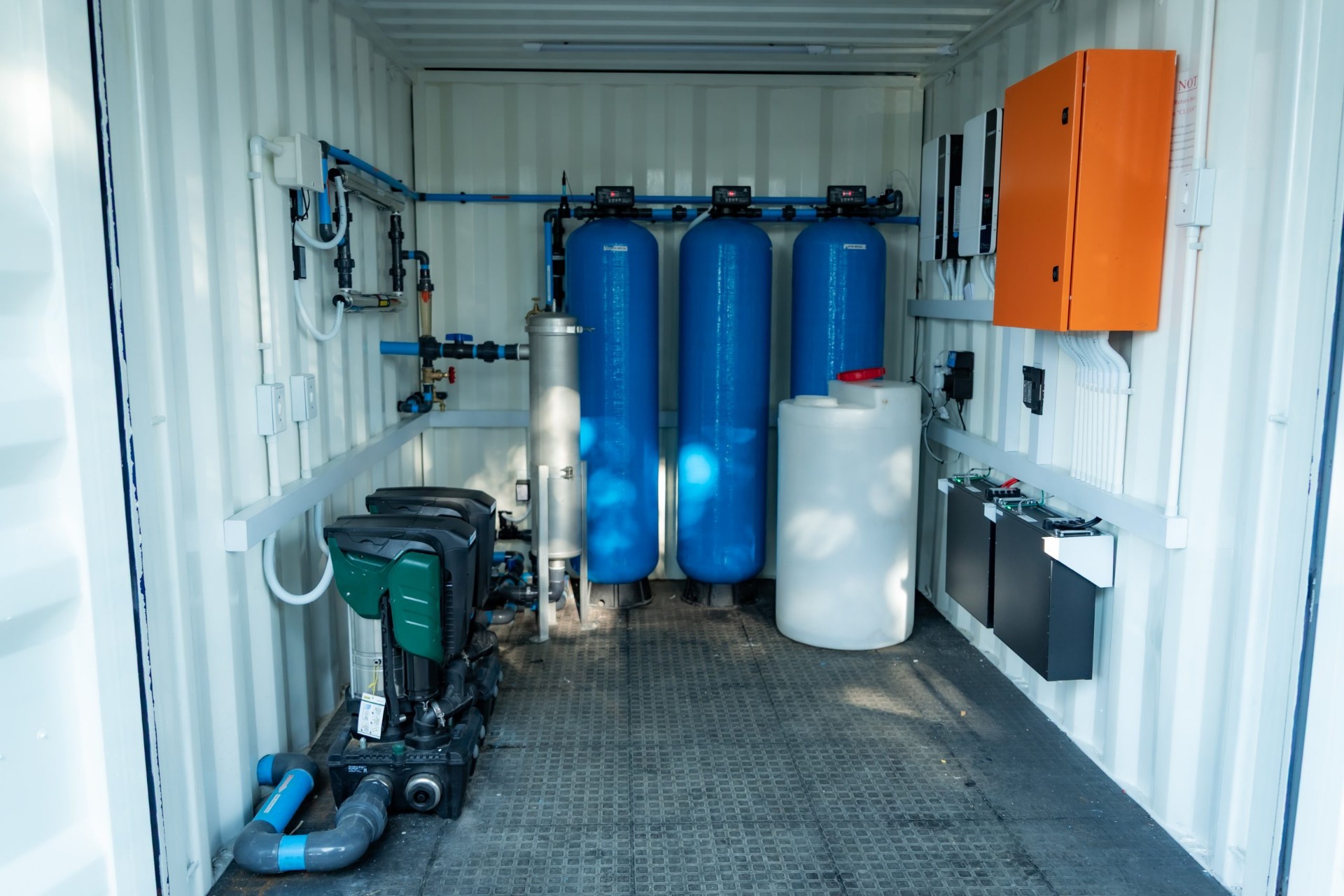
What is Containerized Water Treatment?
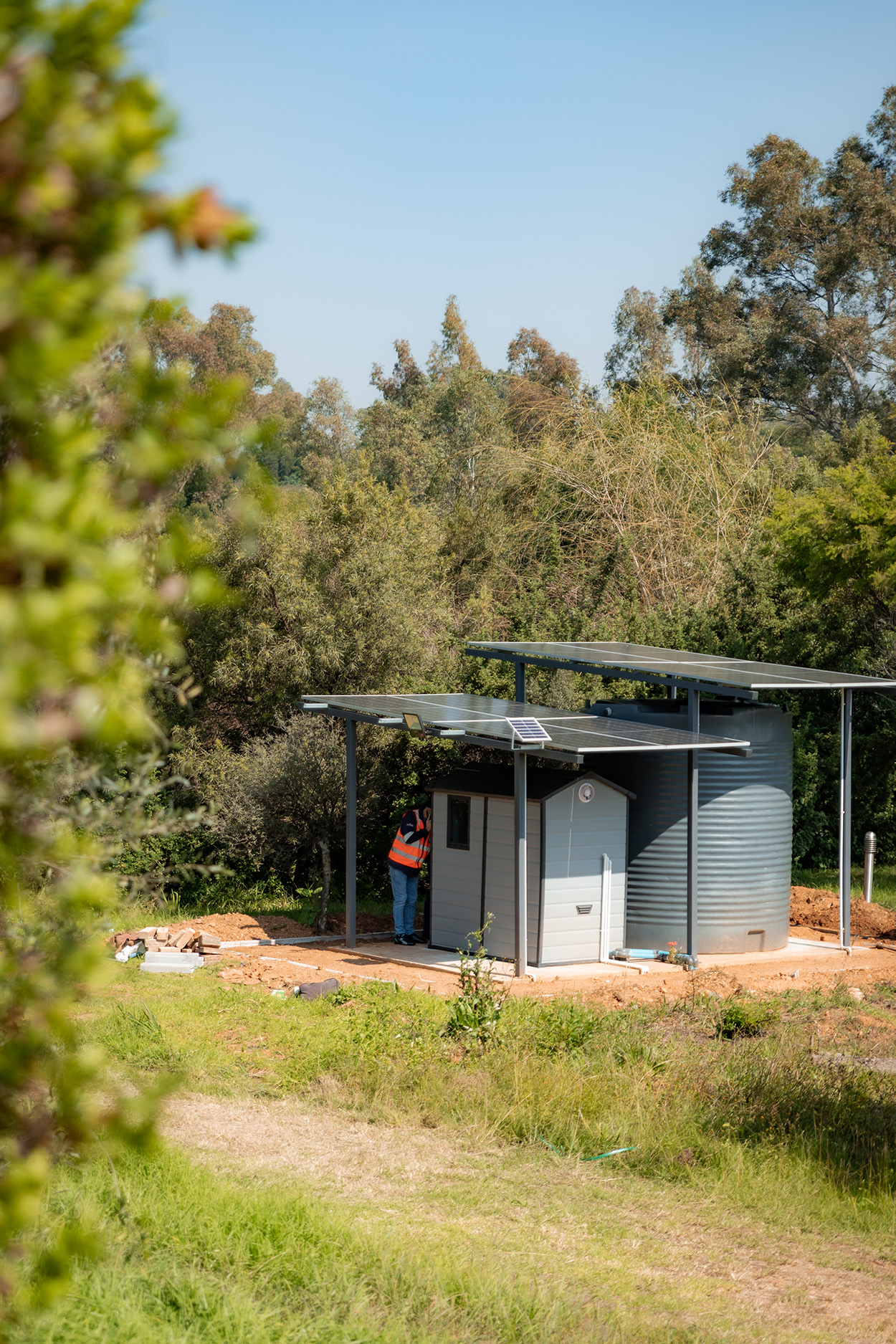
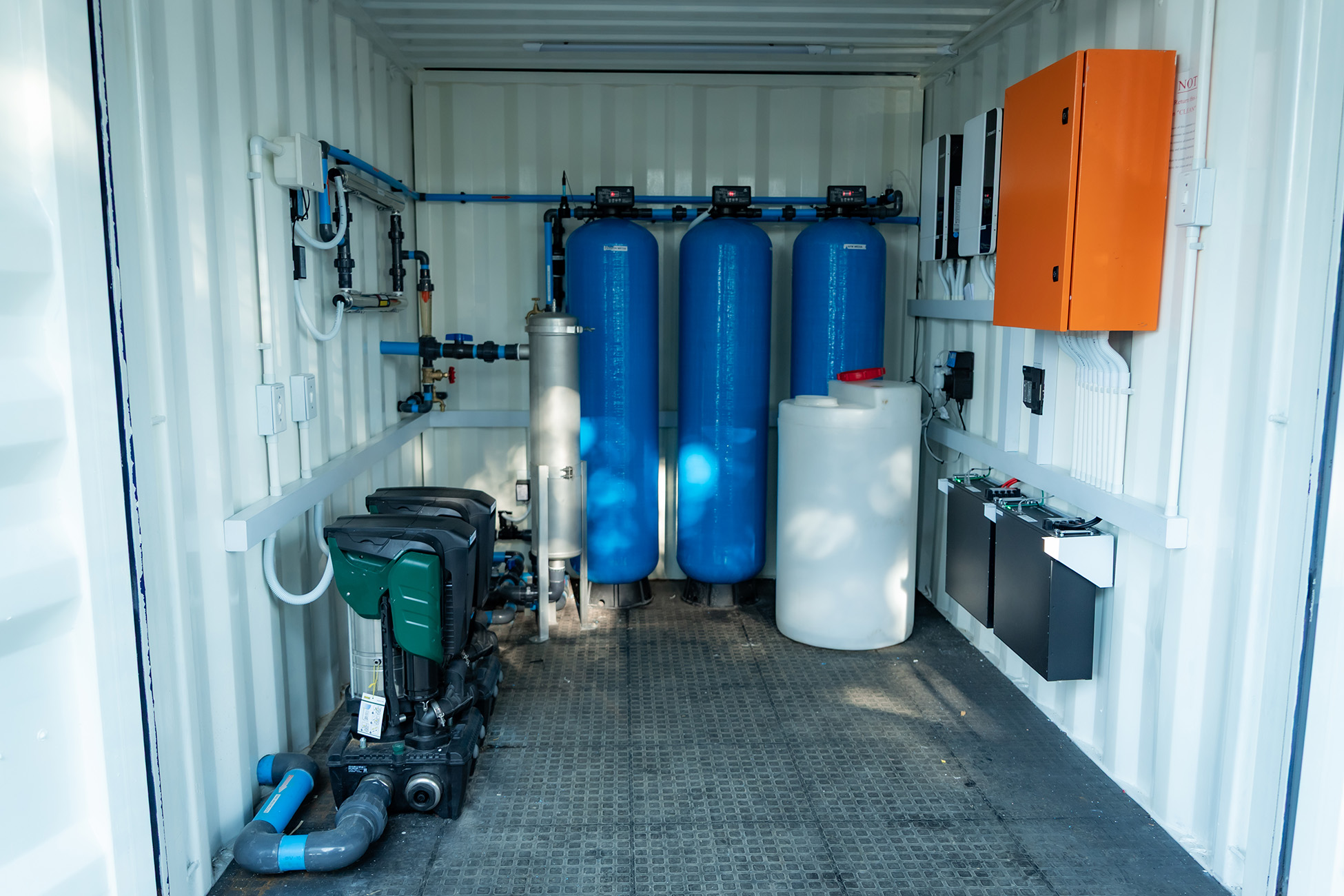
Containerized water treatment refers to pre-engineered water purification systems housed in standard shipping containers. These self-contained units can be deployed quickly and relocated easily, making them ideal for areas lacking permanent water infrastructure.
Why Containerized Solutions Are Gaining Ground in South Africa
South Africa faces pressing challenges in water security due to droughts, infrastructure failures, and unequal access to potable water. Containerized water treatment plants offer a flexible solution to meet these needs. They can be rapidly installed at municipal, industrial, and rural sites to provide reliable, high-quality water.
Adaptability to Remote and Underserved Locations
These systems are particularly useful in rural or peri-urban areas where piped water infrastructure is absent or unreliable. For instance, mining operations in Limpopo or remote schools in the Eastern Cape can benefit from the quick deployment of containerized systems. iWater Management designs and delivers containerized water treatment plants that are tailored to local water source conditions and end-use requirements.
Scalable and Modular Design
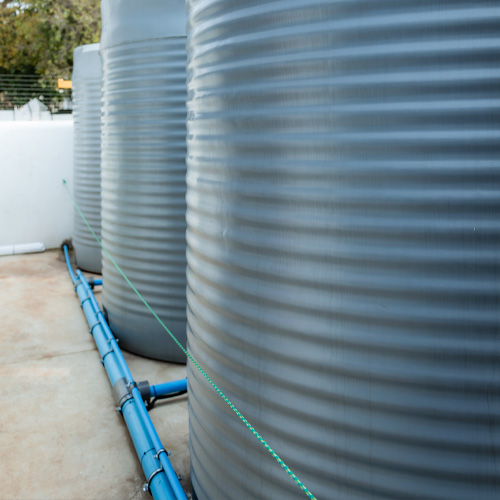
The modular nature allows clients to scale capacity as needed. Municipalities can begin with a single unit and expand treatment capacity in response to population growth or emergency needs. This modularity also applies to modular steel tanks, which can be integrated into the overall system to provide storage, buffer capacity, and fire-protection reserves.
Reduced Site Work and Installation Time
Since units are prefabricated, there is minimal on-site construction. This reduces time-to-operation and project costs, which is particularly advantageous in high-demand or emergency contexts. A site assessment, power connection, and pipe hookup are typically all that is required before the system is operational.
Compliance with National Standards
Well-designed containerized systems are capable of achieving water quality standards aligned with SANS 241, ensuring the treated water is safe for human consumption. This makes them suitable for both temporary and permanent applications. iWater Management’s monitoring and compliance services help clients maintain these standards over the lifetime of the system.
Key Applications Across Sectors
Municipal Use: Supplements existing treatment facilities or acts as a stand-alone solution in smaller communities. Commercial Developments: Ensures water quality in business parks, estates, and lodges, especially in water-scarce regions. Disaster Relief: Provides immediate clean drinking water during floods, droughts, or infrastructure failure. Construction and Mining: Supplies water for camps and operations in remote locations without extensive groundwork.
Containerized water treatment is a strategic solution for improving water access and resilience across South Africa. Its mobility, compliance with regulations, and rapid deployment make it an essential tool in addressing the country's water challenges. Whether you need a full off-grid setup or borehole-based supply, our team can design a system that meets your exact operational and regulatory needs.
Need expert help with your water systems? Contact iWater Management at hello@iwatermanage.co.za or call 010 026 4225 to discuss your needs, or request a site assessment.
Frequently Asked Questions
What is containerized water treatment? It is a self-contained water purification system built into a shipping container for fast deployment and mobility. Where can containerized systems be used in South Africa? They are ideal for rural towns, mining sites, construction projects, disaster zones, and backup municipal supply. Are these systems compliant with SANS 241? Yes, quality systems are designed to meet South Africa’s SANS 241 standards for drinking water quality. Can the system be customised? Yes, containerized plants can be tailored to meet specific capacity, source water conditions, and treatment goals. How quickly can a containerized system be deployed? Deployment typically takes days to a few weeks, depending on site readiness and system complexity.