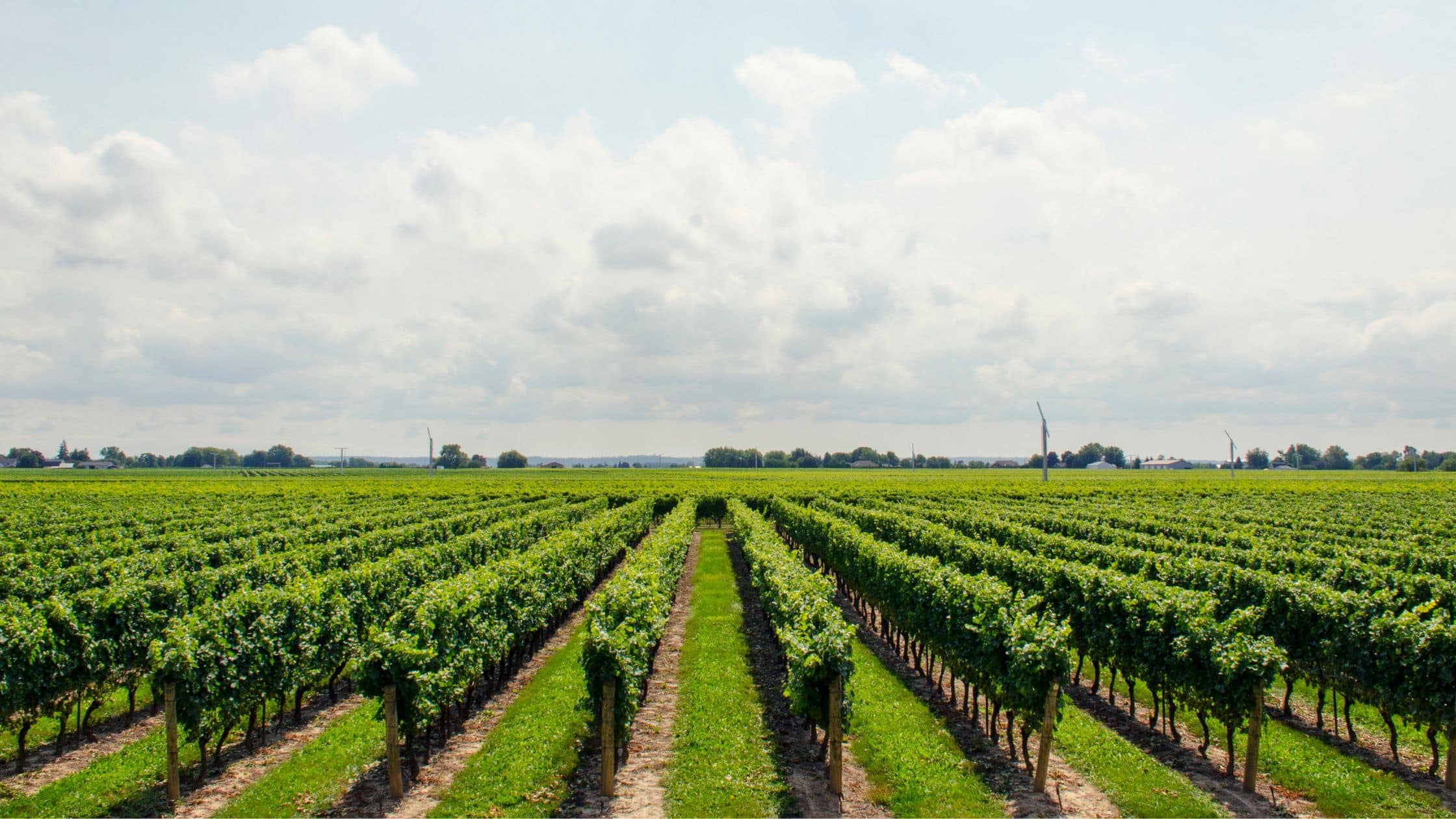
The Western Cape wine industry is one of South Africa’s most economically significant agricultural sectors, contributing more than 10% to the Western Cape economy and supporting an estimated 300,000 jobs directly and indirectly. It is also one of the most water-dependent. From the vineyard to the cellar, from irrigation to bottling, wine production relies on water at every stage — and the quality of that water has a direct bearing on the quality of what ends up in the bottle.
Cape Town’s Mediterranean climate makes water management both critical and complex. Dam levels have entered an early warning phase in 2026, with city officials warning that the window to avoid restrictions is narrowing as the dry season approaches. For wine farms in the Stellenbosch, Franschhoek, Paarl, Constantia, and surrounding Winelands regions, the pressure to manage water more efficiently — and more intelligently — has never been greater.
This article explores how Cape Town’s wine farms approach water treatment across the full spectrum of their operations — from sourcing and irrigation through to cellar processes, effluent management, and regulatory compliance — and what solutions are available to farms looking to protect their water supply, their product quality, and their operating licences.
Why Water Quality Is Central to Wine Farm Operations
Water touches every part of a wine farm’s operation. Understanding where it is used — and what quality is required for each application — is the foundation of effective water management.
Irrigation and Vineyard Water
Vines are resilient plants, but the quality of irrigation water directly affects both soil health and grape quality over time. South Africa’s Water Quality Guidelines for Agricultural Use define specific Target Water Quality Ranges for irrigation, covering parameters such as sodium, chloride, bicarbonate, nitrates, pH, and electrical conductivity (EC). Water outside these ranges — even marginally — can progressively degrade soil structure, affect vine health, and reduce the quality potential of the harvest over successive seasons.
In the Western Cape, where many wine farms draw irrigation water from a combination of rivers, farm dams, and boreholes, source water quality is rarely uniform. Seasonal variation, upstream land use, and changing weather patterns all influence what arrives at the vine root. Farms that treat their irrigation water to a consistent standard protect both their immediate crop and the long-term productivity of their soil.
Cellar and Winemaking Process Water
Inside the cellar, water is used for rinsing transfer pipes and hoses, cleaning tanks and barrels, washing floors and equipment, sterilising bottling lines, and in some operations, blending and product dilution. Research published in the South African Journal of Enology and Viticulture estimates that wineries produce between 3 and 5 cubic metres of wastewater per tonne of grapes crushed. For a winery processing 500 tonnes of grapes in a single vintage, that translates to between 1,500 and 2,500 cubic metres of wastewater — all of which must be managed in compliance with national regulations.
The quality of process water used inside the cellar also matters for product integrity. Water used in tank washing, CIP (clean-in-place) processes, and bottling line sterilisation must be microbiologically clean to avoid contaminating wine at any stage of production. Farms sourcing water from boreholes or farm dams cannot assume that this water meets the required hygiene standard without testing and treatment.
Staff Accommodation and Cellar Door Facilities
Wine farms that provide staff accommodation, cellar door hospitality, restaurants, or guest accommodation have an obligation to supply safe drinking water. Where this water comes from a borehole or other private source, it must comply with SANS 241 standards. The Integrated Production of Wine (IPW) scheme — the leading sustainability certification for South African wine producers — explicitly requires that a recent complete chemical and microbiological analysis of winery water be available, with testing conducted at least annually by an accredited laboratory.
The Water Challenges Facing Western Cape Wine Farms in 2026
Seasonal Supply Pressure and Restriction Risk
Cape Town’s dams recharge during the winter months of May to August, and decline steadily through the long dry summer. In early 2026, the City’s weekly water dashboard confirmed dam levels were approximately 20% lower than the same period the previous year, with officials warning of potential restrictions if consumption does not decrease ahead of winter. For wine farms relying on irrigation allocation from shared water schemes or on municipal supply for cellar operations, any restriction carries direct operational risk.
During Cape Town’s Day Zero crisis, agricultural water restrictions reached 60% — meaning farmers were allocated only 40% of their normal water uptake. In some districts, allocations dropped to as low as 17% of normal. The farms that navigated that period most effectively were those with independent water sources and treatment systems already in place.
Borehole Water Quality in the Winelands
Groundwater quality in the Western Cape wine regions varies significantly by location and geology. A 2025 hydrochemical assessment of groundwater in the Breede Water Management Area found that while most borehole water is suitable for domestic use, elevated total dissolved solids and electrical conductivity were recorded at a number of sites, particularly in coastal and lower-lying areas. These parameters are directly relevant to irrigation quality and, if untreated, can progressively affect soil salinity and vine health.
Iron and manganese, common in many Western Cape aquifers, can also cause fouling of drip irrigation systems — accelerating wear and increasing maintenance costs. Without treatment upstream of the irrigation network, these parameters steadily reduce the efficiency and lifespan of the farm’s irrigation infrastructure.
Cellar Effluent Compliance
Winery effluent — the wastewater produced during harvesting, fermentation, cleaning, and bottling — is highly characterised by high chemical oxygen demand (COD), low pH, and elevated levels of organic compounds including sugars, ethanol, and residual wine. Under South Africa’s National Water Act, untreated winery effluent cannot legally be discharged into natural water resources. More than 93% of South African wine cellars dispose of effluent through land application — typically irrigation of pasture or kikuyu grass paddocks adjacent to the winery — but this requires that the effluent meet defined quality standards for land application.
Wineries must register their wastewater volumes with the Department of Water and Sanitation, comply with the General Authorisation conditions for land-based disposal, and maintain compliance records as part of both statutory obligations and IPW audit requirements. Farms that cannot demonstrate proper effluent management risk both regulatory penalty and the loss of sustainability certification.
Water Treatment Solutions for Cape Town Wine Farms
The good news is that each of these challenges has a well-established, practical treatment solution — and the most forward-thinking wine farms in the Western Cape are already implementing integrated water management systems that address supply, quality, and compliance as a unified strategy.
Borehole Water Testing and Treatment for Irrigation
The starting point for any farm water management programme is comprehensive water quality testing. For irrigation applications, this means assessing EC, sodium adsorption ratio (SAR), pH, and the full suite of mineral parameters that affect vine and soil health. Where parameters are outside acceptable ranges, treatment options include multimedia filtration for sediment and iron removal, softening for hardness reduction, reverse osmosis for TDS and salinity management, and pH correction. iWater Management’s water treatment and purification solutions are designed for exactly these agricultural applications, with systems sized and configured to the specific water quality profile of each farm.
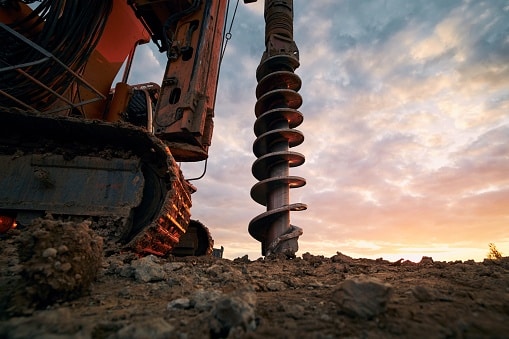
Containerised Treatment Plants for Remote Vineyard Blocks
Many wine farms in the Western Cape operate across multiple vineyard blocks, some of which are at significant distance from the main cellar or farm infrastructure. Containerised water treatment plants offer a deployable, self-contained solution that can be positioned at the point of use — treating water from a borehole or farm dam on-site and delivering compliant water directly to the irrigation system or staff facilities. As a recent project at a Cape Town hotel and wine estate demonstrates, containerised plants can be designed so that all backwash water is reused for irrigation, creating a closed-loop system with effectively zero wastewater.
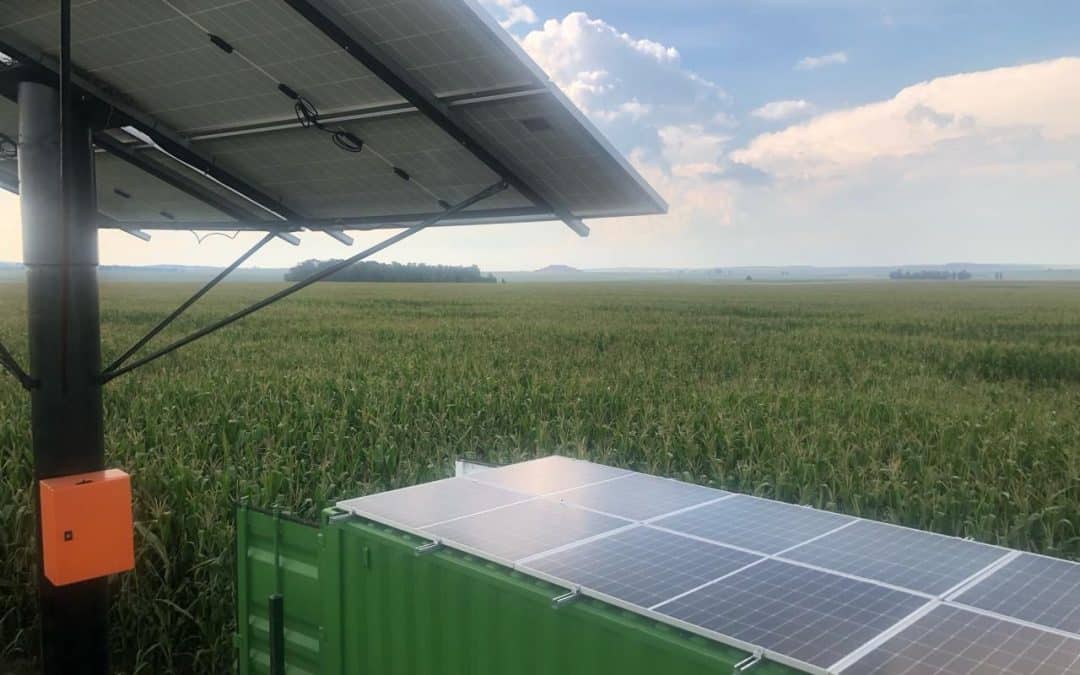
Solar-Powered Borehole Pumping
Many wine farms already have boreholes, but rely on grid electricity to power their pumps. With load shedding creating operational uncertainty and electricity tariffs rising 8.76% from April 2026, converting borehole pumping to solar power delivers both supply security and long-term cost reduction. iWater’s solar-powered water systems are designed to integrate with existing borehole infrastructure, removing the farm’s water supply dependence from both the grid and the municipal network simultaneously.
Cellar Effluent Management Systems
Treating winery effluent to a standard suitable for land application involves reducing COD, adjusting pH, and removing suspended solids before the water is applied to pasture or soil. Biological treatment systems — including constructed wetlands, activated sludge processes, and anaerobic digesters — are the most commonly used approaches in South African wine cellars. The appropriate system depends on the volume of effluent generated, the characteristics of the winery’s wastewater, and the available land area for land-based disposal.
IPW-Compliant Water Quality Monitoring
Meeting the annual water testing requirement under the IPW scheme requires that farms work with an accredited laboratory and maintain testing records available for audit. iWater Management’s water monitoring and compliance services provide wine farms with a structured annual testing programme covering both potable water (SANS 241) and irrigation water quality parameters — generating the documentation that satisfies IPW audit requirements and supports ongoing water management decisions.
Bulk Water Storage — Building a Reserve for the Dry Season
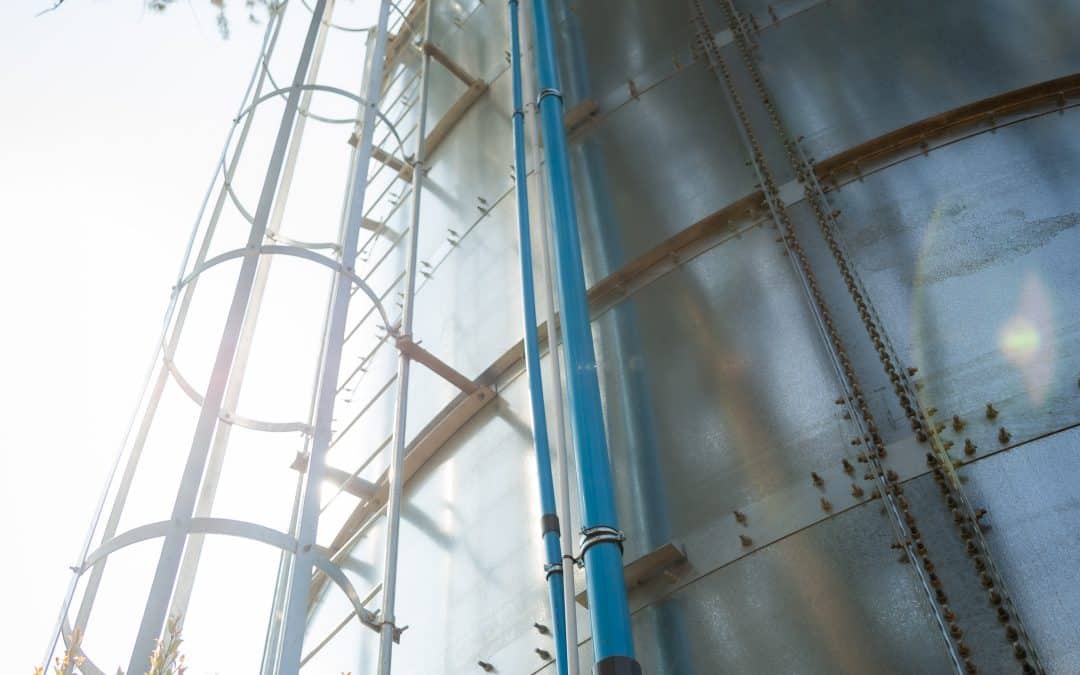
One of the most practical steps a Western Cape wine farm can take ahead of the dry season is installing dedicated bulk water storage. Modular steel water tanks allow farms to accumulate water during periods of good availability — filling from boreholes, farm dams, or treated supply — and maintain a strategic reserve that sustains operations through the summer months when dam levels drop and restriction risk rises.
For cellar operations particularly, where water is needed at specific stages of the winemaking calendar regardless of external supply conditions, having a stored, treated water reserve provides the operational certainty that allows production to proceed on schedule. A correctly sized storage system — designed around the winery’s vintage water demand — is one of the most direct investments a wine farm can make in its production continuity.
Frequently Asked Questions
Do Cape Town wine farms need to test their borehole water regularly?
Yes. The IPW scheme — South Africa’s leading wine sustainability certification — requires a complete chemical and microbiological analysis of winery water at least once every 12 months, conducted by an accredited laboratory. Beyond certification requirements, regular testing is essential for managing irrigation water quality, protecting vine and soil health, and ensuring that water used in cellar processes meets hygiene standards.
What happens to winery effluent on South African wine farms?
More than 93% of South African wine cellars dispose of effluent through land application — typically irrigation of pasture or grass adjacent to the winery. This requires that the effluent meet the DWS General Authorisation conditions for land-based disposal, which includes pH, COD, and volume limits. Wineries must also register their wastewater volumes with the Department of Water and Sanitation.
How does borehole water quality affect wine production?
Water quality affects wine production at multiple points. Untreated borehole water used for irrigation can introduce mineral imbalances that degrade soil and affect vine health over time. Water used in cellar cleaning and sterilisation must be microbiologically clean to avoid contaminating wine. And water used for staff facilities or cellar door hospitality must meet SANS 241 drinking water standards. Each application has its own quality requirement, and untreated borehole water will not reliably meet all of them.
What treatment is needed for wine farm irrigation water from a borehole?
The appropriate treatment depends on the specific water quality analysis results. Common treatment needs for Western Cape borehole water include iron and manganese removal through multimedia filtration, EC and TDS reduction through reverse osmosis, pH correction, and microbiological treatment through UV disinfection. iWater Management conducts a full water quality assessment before recommending any treatment configuration.
How can a wine farm protect its water supply ahead of Cape Town’s dry season?
The most effective approach combines several elements: investing in borehole development and testing to confirm an independent groundwater source, installing solar-powered pumping to remove grid dependency, treating the water to the required quality standard for each application, installing bulk modular storage to build a strategic reserve, and implementing an ongoing monitoring programme that tracks water quality and system performance through the season.
Protect Your Wine Farm’s Water Supply This Dry Season
iWater Management designs and installs complete water treatment and management systems for Cape Town wine farms and Western Cape agricultural operations — from borehole testing and treatment through to solar pumping, modular storage, cellar effluent management, and IPW-compliant monitoring. Contact our team to discuss your farm’s water requirements.
Contact us today: hello@iwatermanage.co.za | Tel: 010 026 4225 | Get in touch