South African agriculture faces a unique and compounding set of water challenges. Farms are often located far from reliable municipal infrastructure. Load shedding stops grid-powered pumps at unpredictable hours. Electricity tariffs rose 8.76% from April 2026, making grid-powered water extraction progressively more expensive. And with 47% of municipal water systems now classified as critical, any farm that relies on municipal supply for operational water is exposed to a risk it cannot control.
Solar-powered water systems address all of these challenges simultaneously. By combining solar energy with borehole access, treatment, and storage, South African farms can build a water supply that is independent of the grid, independent of municipal infrastructure, and designed to perform year-round under real South African agricultural conditions.
This guide is written specifically for South African farmers, farm managers, and agricultural operators considering solar-powered water infrastructure in 2026. It covers how these systems work in an agricultural context, what the investment looks like, and what to consider when designing a system for your specific operation.
Why Solar-Powered Water Systems Are Particularly Suited to South African Agriculture
Agriculture is the single largest water use sector in South Africa, accounting for approximately 60% of all water consumed nationally. Farms and agricultural operations typically have high daily water demands, operate across large land areas, and in many cases are located in regions where grid electricity is either unavailable, unreliable, or prohibitively expensive to connect.
This combination of factors makes solar-powered borehole pumping one of the most cost-effective and practical water solutions available to South African farmers. Solar-powered borehole units have transformed agricultural water access on farms across the continent — replacing expensive diesel-powered alternatives and eliminating the dependency on grid electricity that load shedding makes unreliable.
The Load Shedding and Water Link on Farms
On any farm where water is pumped using grid electricity, load shedding directly interrupts water supply. Irrigation schedules are disrupted. Livestock water access becomes intermittent. Packhouse and processing operations relying on water face unplanned downtime. Solar-powered pumping removes this dependency entirely — the pump operates whenever there is sunlight, regardless of what Eskom is doing.
The Rising Cost of Grid-Powered Pumping
With electricity tariffs increasing 8.76% from April 2026 and municipal tariff add-ons in many areas pushing effective costs higher still, the financial case for solar-powered pumping has strengthened significantly. South African households and agricultural operations using solar borehole systems can save between R19,800 and R26,400 per year on electricity costs, with most systems achieving full return on investment within 5 to 10 years.
Remote Location Advantages
For farms in Limpopo, the Northern Cape, Mpumalanga, and other regions where grid infrastructure is limited or grid connection costs are prohibitive, solar-powered water systems offer a genuinely off-grid solution. A feasibility study published in Applied Sciences confirmed that solar-powered groundwater pumping systems in rural Limpopo are technically and economically viable across a wide range of farm sizes and water demand profiles, with peak power requirements starting from just 1.2 kWp for smaller operations.
How Solar-Powered Water Systems Work on Agricultural Sites
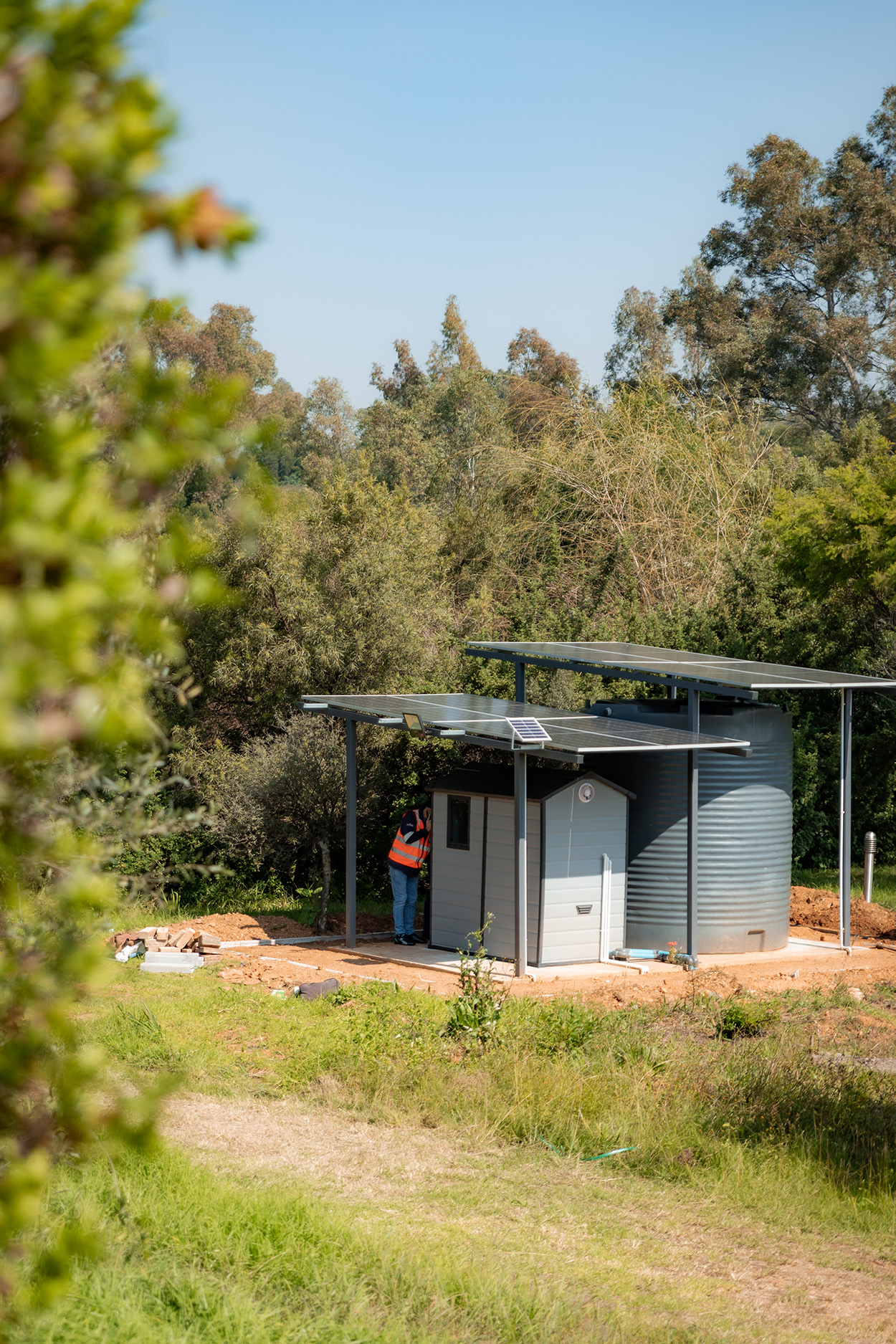
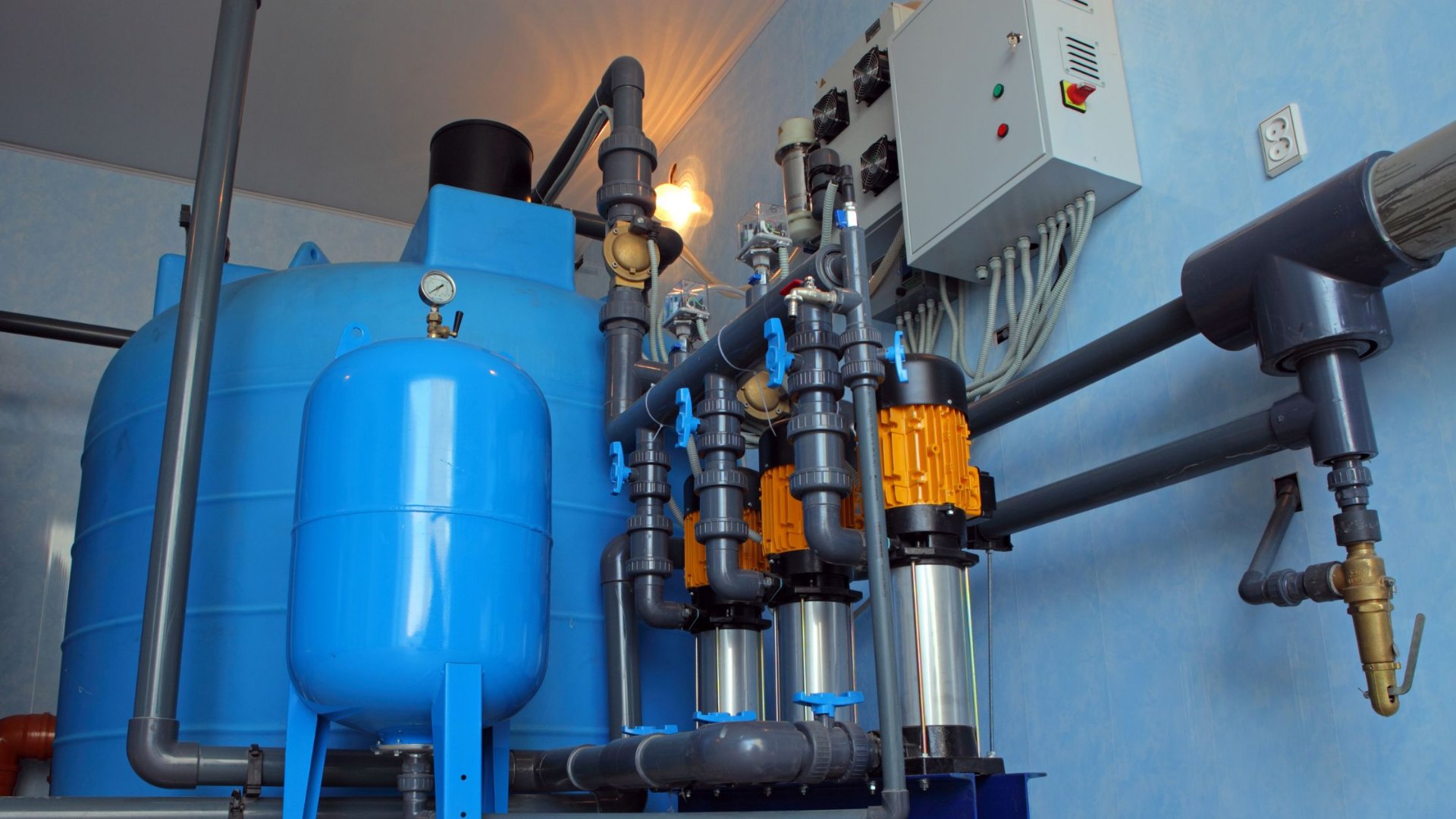
A solar-powered water system for agricultural use is not a single product — it is an integrated infrastructure solution that combines several components into a system designed around the farm's specific water demand, source, and operational requirements.
Solar Array and MPPT Controller
Photovoltaic panels convert sunlight into DC electricity. An MPPT (Maximum Power Point Tracking) controller optimises the energy conversion, ensuring the pump receives the most efficient power output across varying light conditions throughout the day. Panel arrays are sized to meet the farm's daily pumping requirement, accounting for seasonal variation in solar generation.
Submersible Borehole Pump
A submersible pump installed in the borehole extracts groundwater and delivers it to surface storage or directly to the distribution system. 2026 pump pricing for complete 5kW solar borehole systems ranges from R70,000 to R140,000 depending on depth, flow rate requirements, and component specification. Pump selection is critical — the pump must be matched to the borehole's depth and yield, and sized to meet the farm's peak daily demand.
Water Treatment Integration
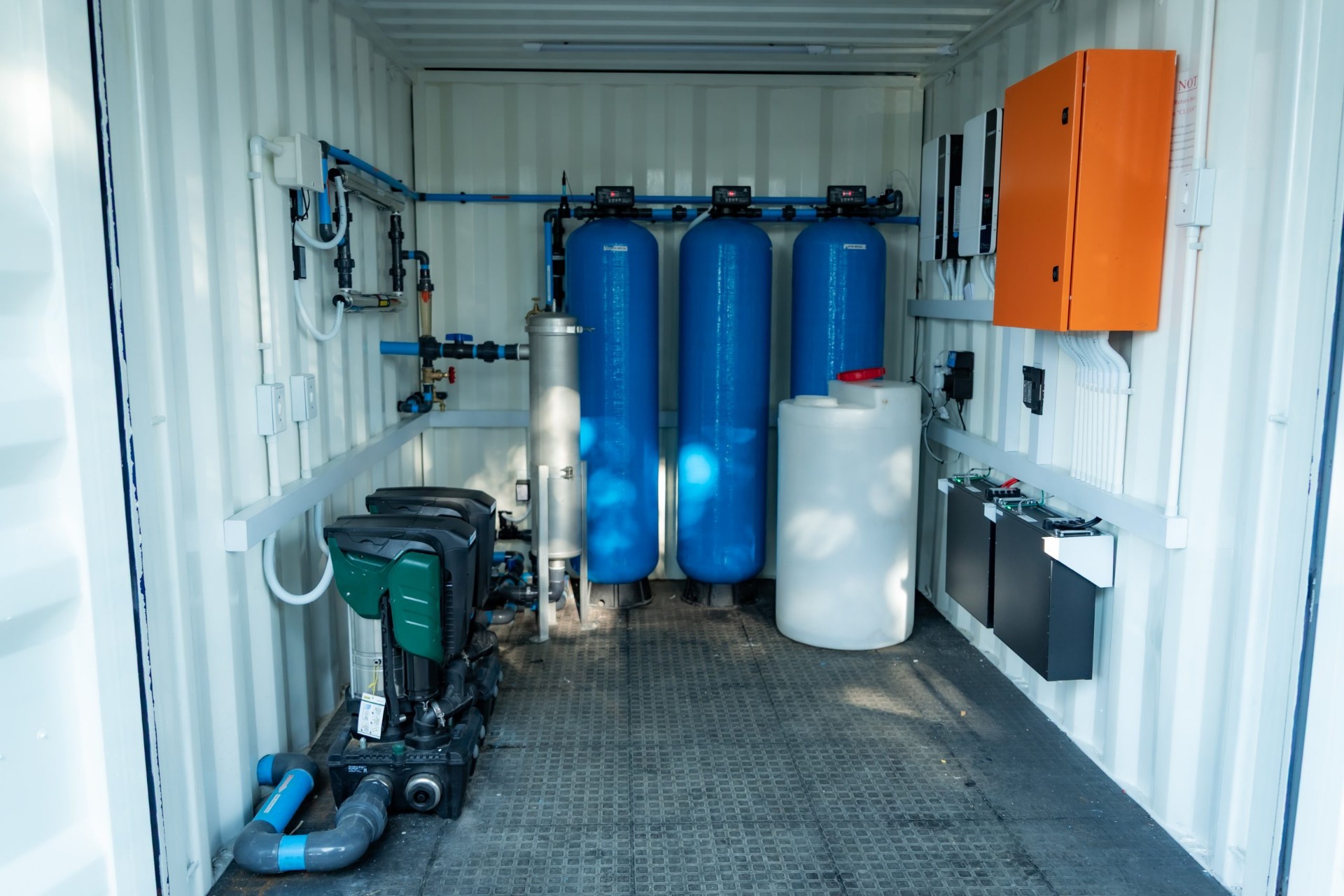
Borehole water on agricultural sites must be tested against SANS 241 standards and the DWS Agricultural Water Quality Guidelines before use for irrigation, livestock, or packhouse operations. iWater's water treatment and purification solutions integrate directly with solar water systems, treating water from borehole to application point and ensuring consistent, compliant quality regardless of source water variation.
Modular Storage Tanks
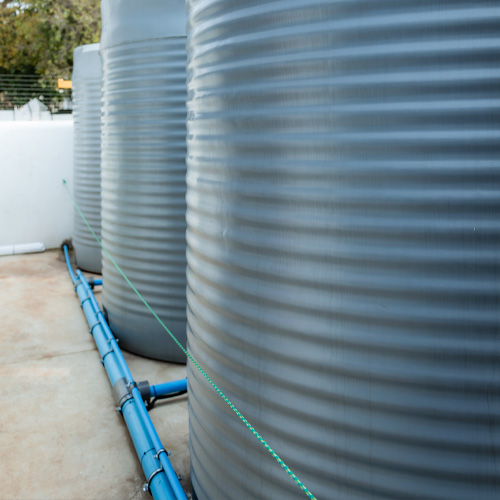
Bulk water storage is an essential component of any agricultural solar water system. By pumping water into storage during peak solar generation hours, farms maintain supply through the night, during cloudy periods, and during pump maintenance windows. Modular steel water tanks can be sized to hold several days' operational reserve, providing the supply buffer that allows irrigation schedules, livestock watering, and processing operations to continue without interruption.
Agricultural Applications for Solar-Powered Water Systems
Irrigation
Irrigation is the largest agricultural water use on South African farms, and the application where solar-powered pumping delivers the most immediate and measurable return. Systems can be configured to deliver water directly to drip, micro-jet, or overhead irrigation networks, with output volumes scaled from small market gardens to large-scale commercial irrigation operations.
Livestock Watering
Consistent, clean water access is fundamental to livestock health and production performance. Solar-powered borehole systems provide a reliable, off-grid water supply for cattle, sheep, poultry, dairy, and pig farming operations — particularly valuable for farms in areas where municipal supply is unreliable or where livestock are grazed across large distances from the main farm infrastructure.
Packhouse and Processing Water
Farms supplying export markets or operating on-farm processing facilities require water that meets food safety standards for washing, cooling, and sanitation. Solar-powered systems integrated with appropriate treatment deliver food-safe water quality from borehole or surface sources. iWater's containerised water treatment plants can be powered by solar infrastructure, delivering compliant treatment even at remote packhouse locations.
Staff Accommodation and Domestic Supply
Farms providing accommodation for permanent or seasonal workers have an obligation to supply safe SANS 241-compliant drinking water. A solar-powered borehole system serving the farm's operational water can be configured to also supply treated drinking water for staff facilities. iWater's SANS 241 water testing services ensure ongoing compliance and provide the documentation required for labour compliance and occupational health obligations.
Key Design Considerations for Agricultural Solar Water Systems
• Daily water demand — Total litres required per day across all uses, accounting for seasonal peaks during irrigation season or calving periods
• Borehole depth and yield — The pump must be matched to the borehole's sustainable yield; yield testing confirms the safe daily extraction rate before system sizing
• Source water quality — Full SANS 241 and agricultural water quality analysis determines treatment requirements before system design
• Storage capacity — Tank sizing should provide at minimum 48 hours of operational reserve at average daily demand
• Seasonal solar variation — Panel arrays must be sized to meet demand during winter months when solar generation is lower, particularly in the Western Cape and high-altitude areas
• Distribution distances — Large farms with widely distributed irrigation blocks or livestock watering points may require additional pumping infrastructure to maintain adequate pressure and flow at distant points
Frequently Asked Questions
Can a solar water system supply enough water for a large farm?
Yes. Solar-powered water systems are fully scalable. Large agricultural systems can deliver up to 50,000 litres per day and beyond, depending on panel array size, pump specification, and borehole yield. iWater Management conducts a full water demand assessment before designing any agricultural system to confirm it meets the operation's requirements reliably across all seasons.
What happens to water supply on cloudy days or overnight?
Appropriately sized storage tanks ensure water availability outside of peak solar generation hours. The system pumps during daylight, filling the storage reserve. This stored water supplies the farm overnight and during cloudy periods. System design accounts for the farm's specific solar profile and storage requirement to ensure continuous supply.
How much does a solar water system for a farm cost in South Africa in 2026?
Costs vary significantly by system size and complexity. A complete 5kW solar borehole system typically costs between R70,000 and R140,000 in 2026. Larger agricultural systems with treatment, extended storage, and distribution infrastructure range from R100,000 to R300,000 or more. Most agricultural systems achieve full return on investment within 5 to 10 years through electricity savings alone.
Does borehole water on a farm need to be treated before use?
Yes. Borehole water quality varies significantly by location and geology. Water must be tested against SANS 241 for any domestic or staff use, and against the DWS Agricultural Water Quality Guidelines for irrigation and livestock applications. iWater Management conducts full water quality analysis and integrates appropriate treatment into the solar water system design.
Can solar water systems work in remote farm locations without grid connection?
Yes — this is one of the primary applications for solar-powered water systems. Farms in Limpopo, the Northern Cape, Mpumalanga, and other remote regions are ideal candidates for off-grid solar water infrastructure. The system operates entirely independently of the grid, requiring only sunlight and a productive borehole to deliver reliable water access.
Design a Solar Water System for Your Farm Today
iWater Management designs and installs solar-powered water systems for South African farms and agricultural operations — from borehole drilling and solar pumping through to SANS 241-compliant treatment, modular storage, and ongoing compliance monitoring. Every system is tailored to your farm's specific demand, source, and site conditions. Contact our team to discuss your requirements.
Contact us today: info@iwatermanage.co.za | Tel: 010 026 4225 | Get in touch