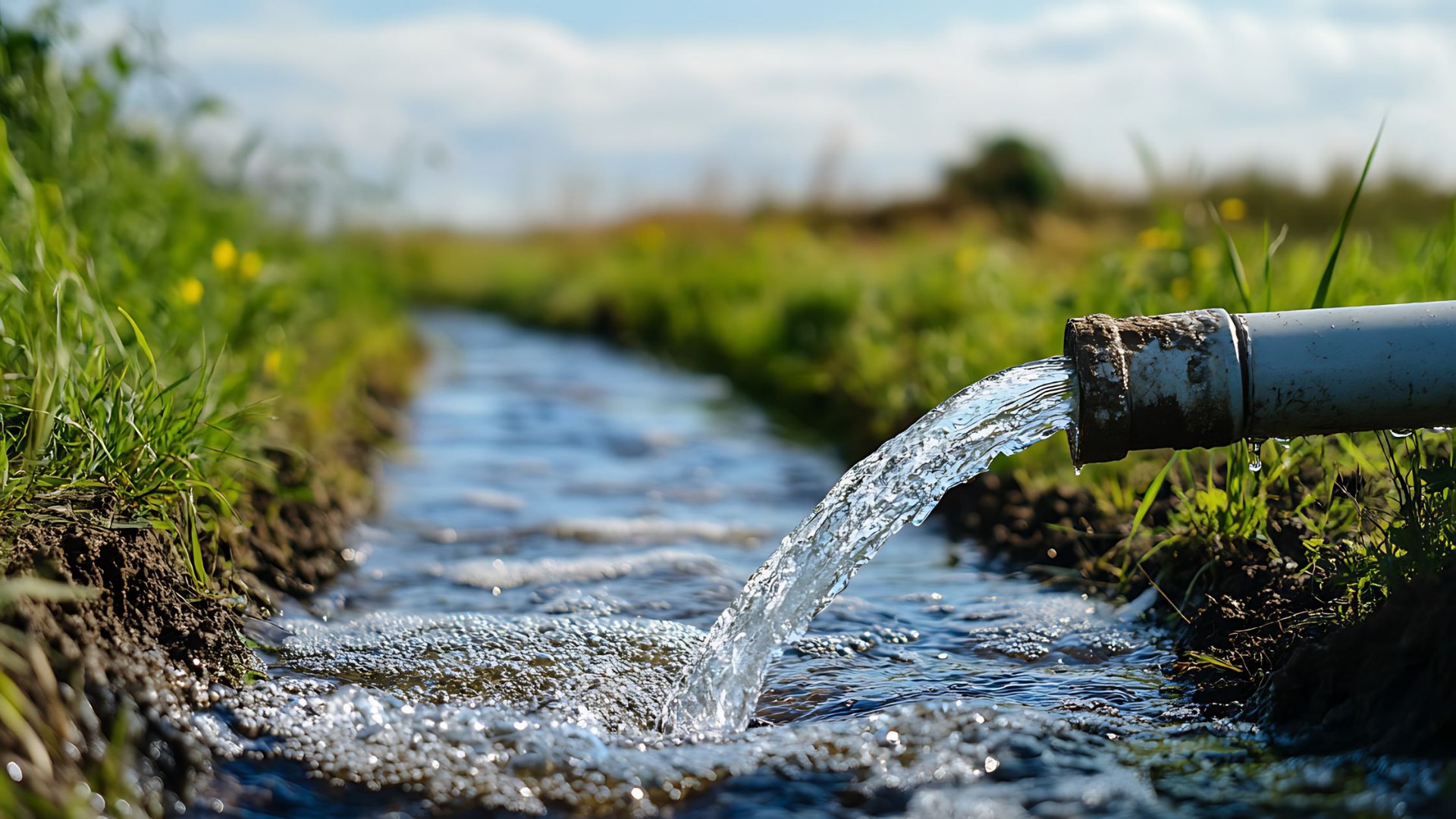
Water has overtaken electricity as the primary operational risk for South African businesses. When electricity went out, businesses could adapt. Generators bridged the gap. When water stops flowing, there is no equivalent backup for businesses that depend on it for hygiene, production, cooling, processing, or cleaning. Employees cannot use bathrooms. Factories stop. Restaurants close. Productivity collapses.
South Africa's water mismanagement directly threatens business continuity, with the country's eight metros collectively spending only 31.5% of their R5.8 billion infrastructure budget on water treatment, pipelines, and reservoirs in the first quarter of the 2025/26 financial year. The infrastructure gap is not being closed — it is widening.
For industrial facilities, office parks, commercial properties, and multi-use developments, this environment demands a proactive water security strategy. This guide covers the specific risks facing commercial and industrial operations, the solutions available, and what a complete water independence system looks like for South African business properties in 2026.
Why Water Supply Disruptions Hit Commercial and Industrial Operations Hardest
Water security has moved from an environmental concern to a core business strategy issue. Within four years, water scarcity in South Africa is expected to rise by 17%. Climate-related water impacts alone threaten approximately 5% of GDP over the next 20 years. For sectors including manufacturing, food and beverage, petrochemicals, and data centres, water is not a peripheral utility — it is a core production input.
Factories and Manufacturing Operations
Manufacturing processes that rely on water for cooling, cleaning, chemical processing, or product formulation cannot continue when supply fails. An outage that lasts hours can result in production losses that take days to recover. Planned maintenance windows from Rand Water — which have run for up to 16 consecutive days in Gauteng — require operations to have significant on-site storage or alternative supply to maintain any level of production continuity.
Office Parks and Commercial Buildings
Office buildings may not use water for production, but they use it for ablutions, kitchens, and cleaning — and without it, the building cannot legally operate. Staff must be sent home. Tenants lose productive hours. Property managers face questions from occupants about the adequacy of building services. In competitive commercial property markets, water reliability is increasingly a factor in tenant retention and rental value.
Food Production, Hospitality, and Retail
For food production facilities, restaurants, hotels, and food retailers, water is directly linked to food safety compliance and trading ability. A water supply interruption during service hours forces closure. Planned outages during production shifts require last-minute operational adjustments. And any water quality failure in these sectors carries direct food safety and reputational risk.
Data Centres and Technology Facilities
Modern data centres rely on water for cooling tower systems that manage server heat. Water supply interruptions that force cooling systems offline create direct hardware risk, data integrity exposure, and SLA compliance failures for hosted clients. This is a niche but growing application for independent water infrastructure in South Africa's expanding data centre market.
What Water Independence Looks Like for Commercial and Industrial Properties
The most resilient commercial and industrial properties in South Africa are those that have built water infrastructure that operates independently of the municipal network. This does not mean disconnecting from the municipal supply — it means ensuring that if the municipal supply fails, operations continue without interruption.
Independent Groundwater Supply Through Borehole Drilling
A professionally sited and drilled borehole gives a commercial or industrial property access to groundwater that is entirely independent of municipal infrastructure. For large commercial properties in Gauteng, Cape Town, and other major industrial centres, a borehole with adequate yield can supply a significant proportion of daily water demand. iWater Management's borehole drilling services cover the full process from hydrogeological site assessment and permitting through to drilling, casing, pump installation, and SANS 241 water quality testing.
Bulk Water Storage for Supply Continuity
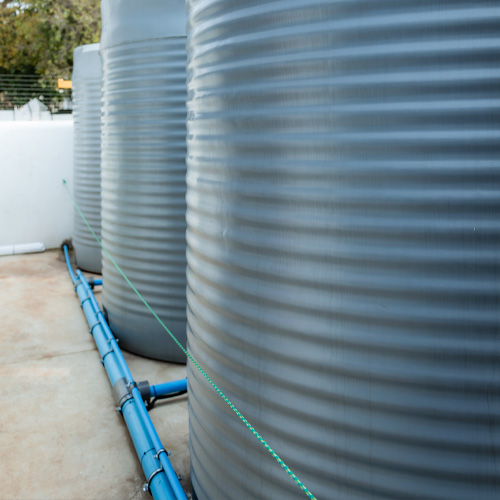
On-site storage is the single most practical investment a commercial or industrial property can make to bridge supply interruptions. Modular steel water tanks provide scalable, durable bulk storage that can be sized to hold anywhere from one to seven days of operational water reserve. For industrial facilities with high daily consumption, tanks are often used in combination with borehole supply to maintain a continuously replenished reserve.
Water Treatment and Quality Compliance
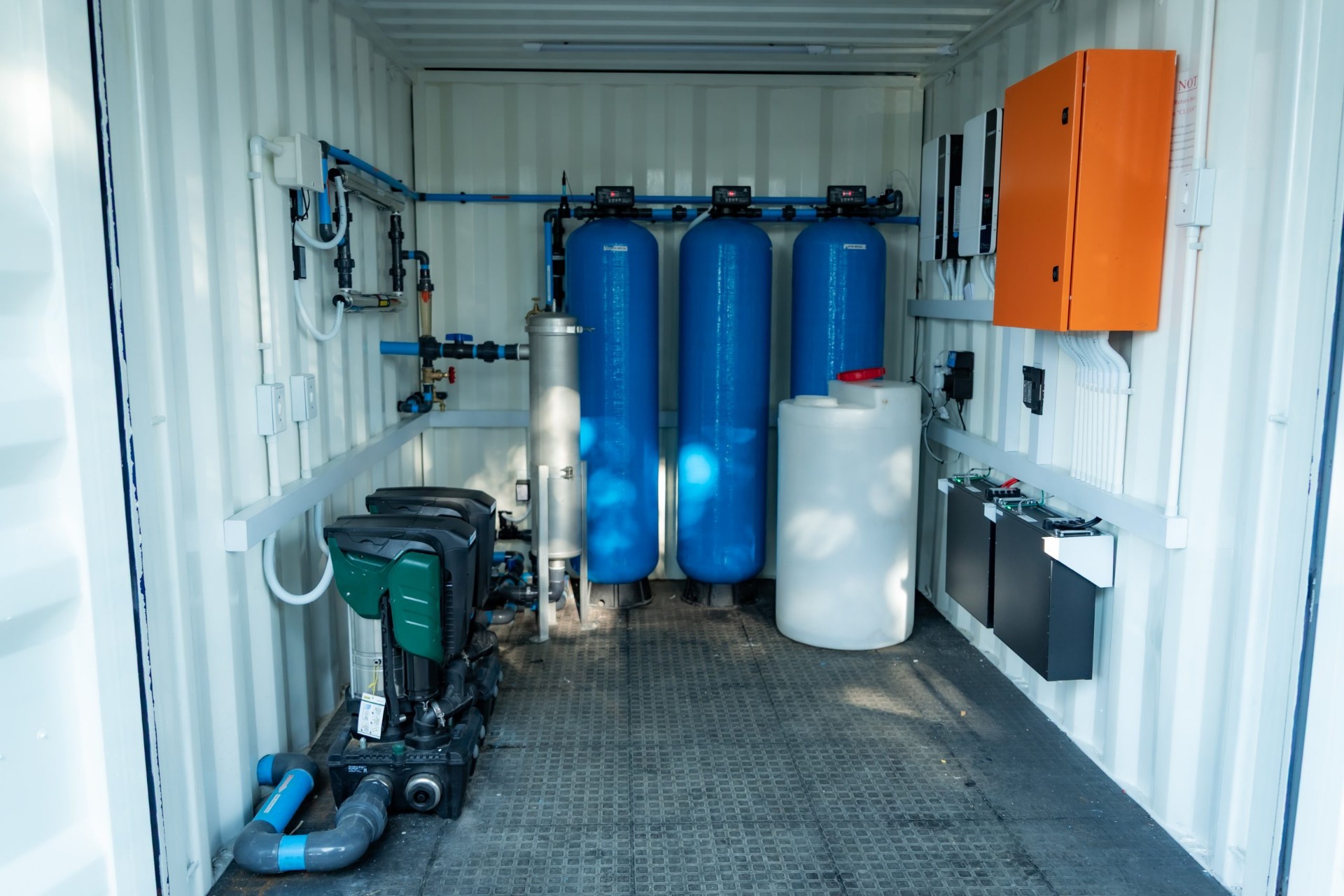
Commercial properties providing water to staff, tenants, or operational processes must ensure SANS 241 compliance. Borehole water and stored water require treatment before use. iWater's water treatment and purification solutions are designed for commercial and industrial applications — addressing microbiological parameters, iron and manganese removal, pH correction, and high-volume treatment requirements.
Solar-Powered Water Systems
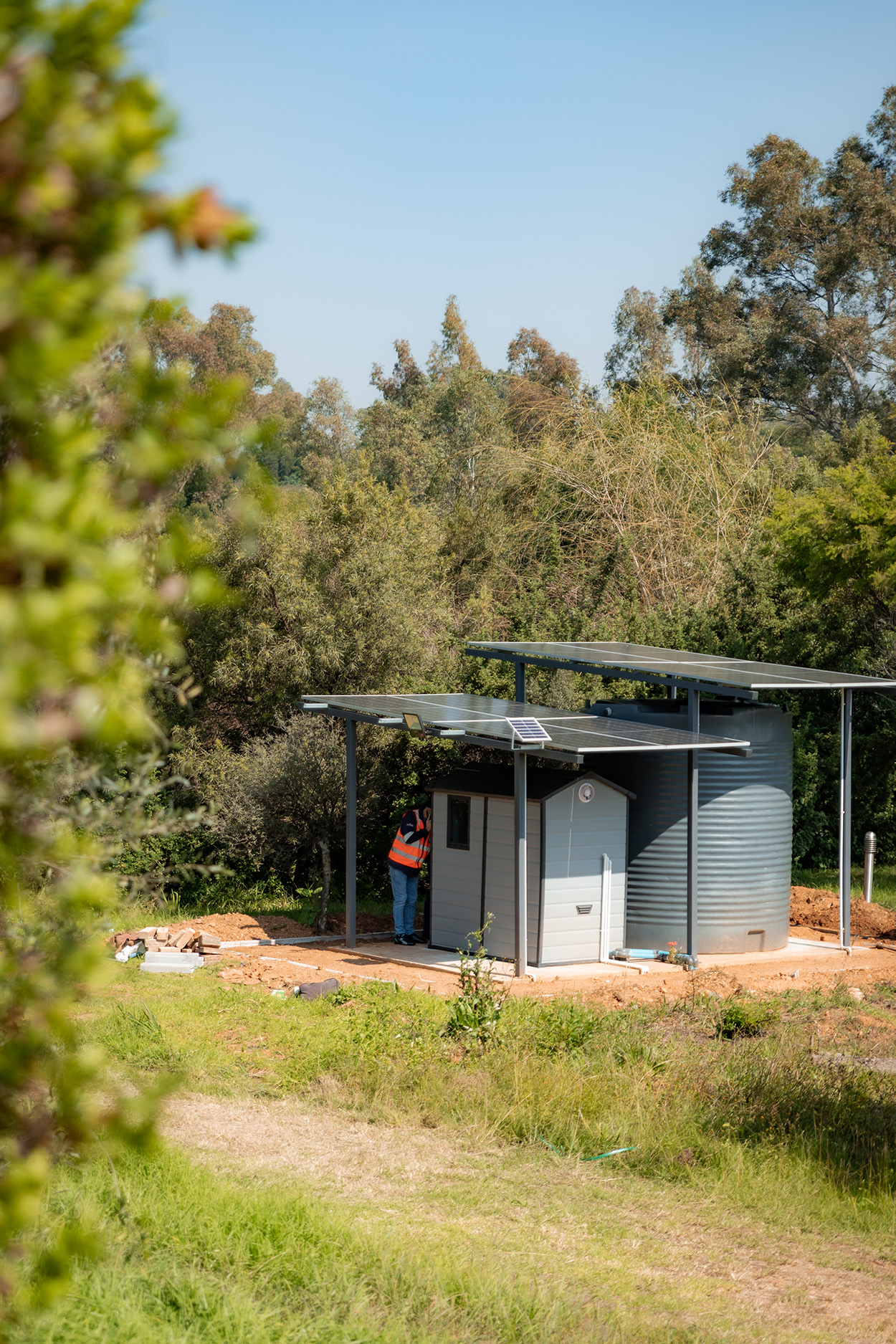
For commercial and industrial properties where load shedding creates a compound risk — simultaneously affecting both electrical supply and grid-powered water pumps — solar-powered water systems remove both dependencies simultaneously. Solar-powered borehole pumping continues operating during grid outages, filling storage tanks through daylight hours and ensuring that both the water source and the storage system are operational regardless of Eskom's schedule.
Key Water Infrastructure Considerations by Commercial Sector
Industrial Parks and Factories
• Size storage based on peak daily process water demand, not average consumption
• Account for seasonal variation in cooling water demand during summer months
• Consider dedicated fire protection water reserves where required by insurance or building regulations
• Design borehole yield testing around peak extraction requirements, not average daily use
Office Parks and Multi-Tenant Commercial Properties
• Storage sizing should account for all tenant ablution and kitchen water demand simultaneously
• SANS 241 compliance testing protects property managers from liability in the event of tenant water quality complaints
• Borehole systems can be designed to supply common area irrigation and landscaping, reducing municipal consumption and tariff costs
Food Production and Processing Facilities
• Water used in food preparation and processing must comply with SANS 241 and R638 of 2018
• Treatment systems must be validated and documented to support HACCP and food safety certification requirements
• Storage design must prevent cross-contamination between potable and process water reserves
Ongoing Monitoring as Part of a Commercial Water Strategy
A water independence system that is not monitored is a system that can fail silently. Water quality in borehole sources changes seasonally. Treatment equipment requires scheduled servicing to maintain performance. Storage tanks require inspection for contamination, sediment accumulation, and structural integrity. iWater Management's water monitoring and compliance services provide commercial and industrial properties with the ongoing oversight needed to maintain system performance, ensure SANS 241 compliance at the point of use, and generate the documentation required for OHS Act compliance, insurance requirements, and operational audits.
For properties with complex water systems or high compliance obligations, custom maintenance plans provide scheduled servicing, filter replacement, pump inspection, and water quality testing as a managed ongoing programme — ensuring that every component of the water system continues to deliver at the required standard without requiring in-house technical expertise to manage.
Frequently Asked Questions
Why is water security more important than electricity backup for South African businesses?
When load shedding affected South African businesses, generators and UPS systems provided workable alternatives. Water has no equivalent backup for businesses that need it for ablutions, production, cooling, or food preparation. Without water, staff must be sent home and operations must stop. This makes on-site water security infrastructure a more fundamental operational requirement than most businesses initially recognise.
What size water storage tank does a commercial property need?
Storage sizing depends on the property's daily water demand across all uses — staff facilities, production processes, cooling systems, irrigation, and fire protection. iWater Management conducts a full water demand assessment before recommending any storage configuration, ensuring the system is correctly sized for both average daily consumption and peak demand periods.
Can a borehole supply all the water needs of a large commercial building?
This depends on the borehole's sustainable yield and the building's total daily demand. In many cases, a borehole can supply a significant proportion of daily demand — enough to maintain operations through municipal supply interruptions when combined with on-site storage. A hydrogeological site assessment confirms what yield is achievable before any system is designed.
What are the water compliance obligations for commercial properties in South Africa?
Commercial properties providing water to staff must ensure SANS 241 compliance under the Occupational Health and Safety Act. Food production and hospitality operations face additional obligations under R638 of 2018. All properties using private water sources including boreholes must test and treat their water to confirm compliance. iWater Management's water monitoring and compliance services provide the testing, interpretation, and documentation needed to satisfy all applicable requirements.
How quickly can a water independence system be installed for a commercial property?
Timeline depends on the complexity of the system, the condition of any existing borehole infrastructure, and the required permitting process. A typical commercial system covering borehole drilling, storage tank installation, and treatment commissioning can be completed within 8 to 16 weeks. iWater Management manages the full process including site assessment, permitting, installation, and commissioning.
Build Water Security Into Your Commercial Property Today
iWater Management designs and installs complete water security systems for commercial and industrial properties across South Africa — from borehole drilling and solar-powered pumping through to SANS 241-compliant treatment, modular storage, and ongoing monitoring. Contact our team to discuss your property's water requirements.
Contact us today: info@iwatermanage.co.za | Tel: 010 026 4225 | Get in touch