
Another Round of Water-Shedding
South Africa has entered yet another phase of controlled water restrictions, with authorities confirming the implementation of water-shedding measures in parts of the country to prevent further strain on the system.
This development is more than a temporary inconvenience. It signals ongoing structural pressure within the national water network — and reinforces a critical message for infrastructure planners and industry leaders: water resilience can no longer be treated as a secondary priority.
What Is Water-Shedding?
Water-shedding describes a planned redistribution of water supply, where delivery is intentionally reduced in some areas to conserve and reallocate limited resources to critical zones. Unlike outages caused by infrastructure breaks or unplanned interruptions, water-shedding is a deliberate operational strategy — similar in concept to electricity load-shedding — designed to manage supply shortfalls without allowing the entire system to fail.
Why It's Happening Now
Several key pressures have converged:
Reservoir levels below critical thresholds. Water storage across major supply systems in Gauteng and other provinces has dipped below optimal levels.
Sustained high demand. Urban demand continues to outpace supply, putting strain on conventional treatment and distribution systems.
Supply losses and infrastructure stress. Leakages, illegal connections, and ageing reticulation networks further reduce effective delivery capacity.
As a result, authorities are essentially reallocating finite water reserves to prioritise essential services and prevent total system collapse.
The Technical Anatomy of Risk
Water-shedding isn't just a service disruption — it's symptomatic of deeper water system vulnerabilities.
1. Supply and Storage Imbalance
When reservoir levels fall below stable operating thresholds, distribution networks cannot sustain a continuous supply, especially to areas far from treatment sources.
2. Lack of Redundancy
Many systems lack adequate backup storage or alternative supply pathways, meaning any reduction triggers immediate service impacts.
3. Data Gaps in Usage Forecasting
Accurate demand forecasting is critical. Without it, utilities cannot plan deliveries effectively, leading to shortfalls that require reactive load-management.
These technical realities underscore why traditional management approaches are no longer sufficient on their own.
A Strategic Look at Water Security
The announcement of water-shedding should serve as a wake-up call for both public and private sectors.
Water is a critical infrastructure asset. Just like electricity grids or transport networks, water systems require investment in resilience — not only for supply but for measurement, monitoring, and predictive management.
Operational agility matters. In a world where droughts, population growth, and ageing infrastructure converge, static systems fail faster than dynamic ones.
Preparation trumps reaction. Organisations that treat water management as a reactive expense risk disruption. Those who prioritise it as an operational strategy gain stability.
Lessons for Industry Leaders
So what does the current situation in South Africa mean for facility managers, municipal planners, and infrastructure investors?
Build Buffer Capacity
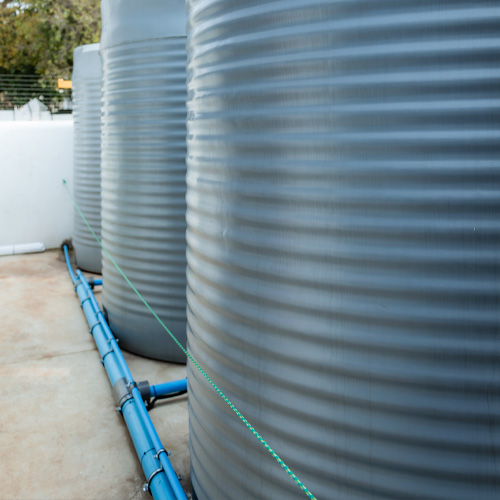
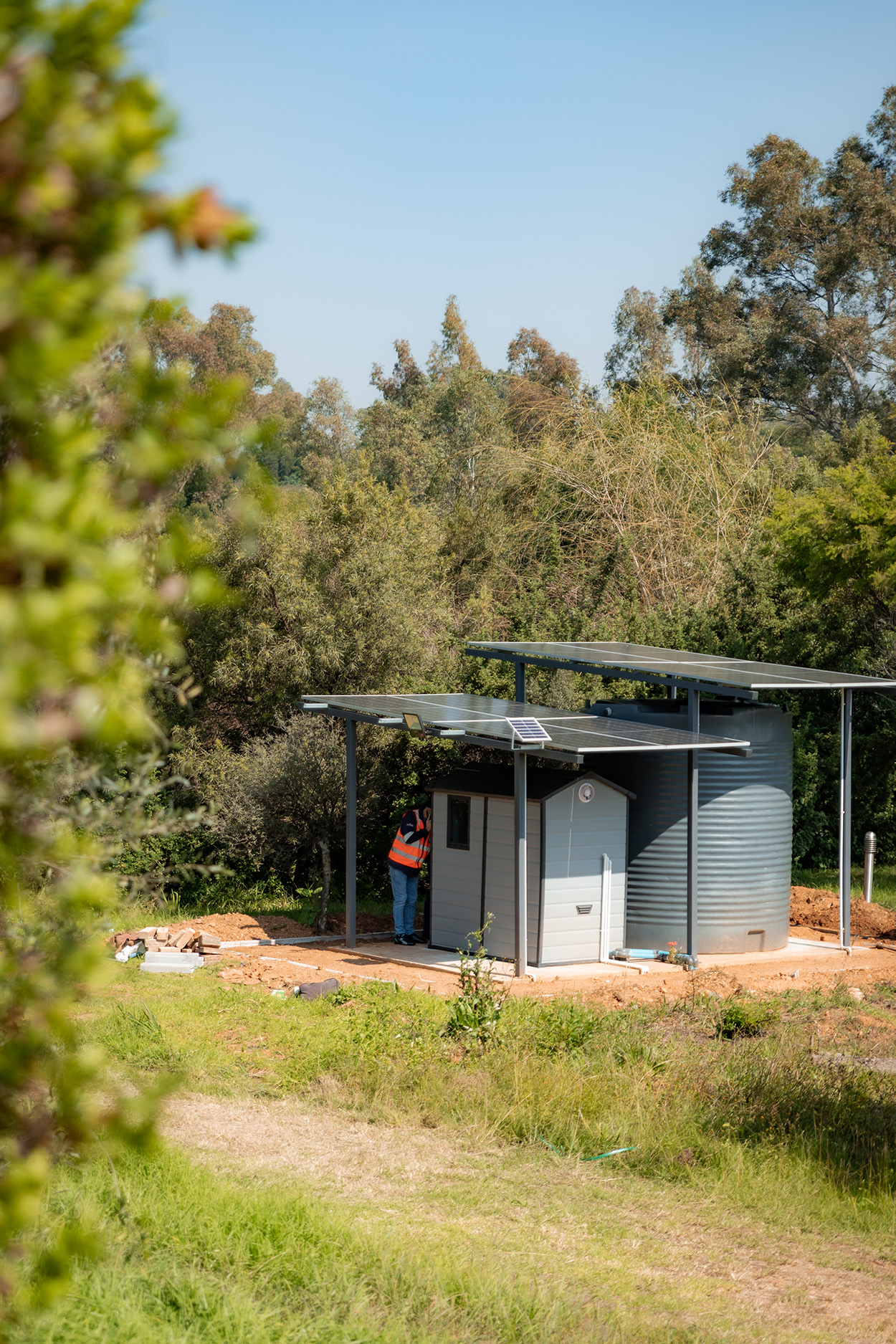
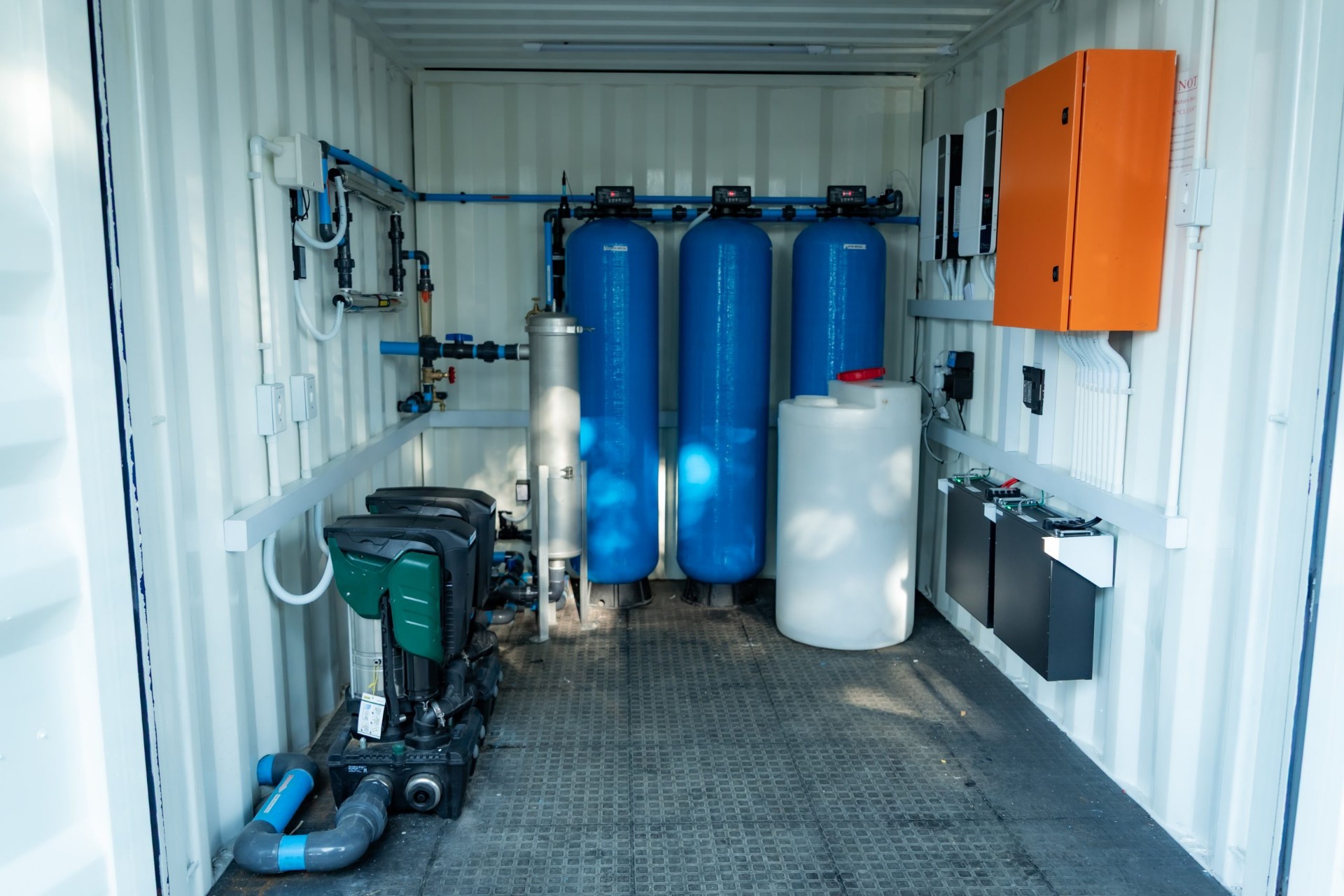
Tank storage, on-site treatment plants, and potable water reserves aren't luxuries — they're risk-mitigating infrastructure.
Invest in Real-Time Data
Smart metering, remote sensors, and advanced analytics help predict demand and identify stress points before they trigger crises.
Collaborate on Resilience
Public–private partnerships in water security help bridge funding and capability gaps that neither side can resolve alone.
Prioritise Sustainability
Efficient water use, leakage control, and demand management are no longer optional — they're essential.
The Bigger Picture
Water-shedding in South Africa is a stark reminder that water systems are complex, interdependent networks, not just pipes and pumps. When supply constraints hit, they expose weak links in infrastructure, governance, and planning.
For industry professionals, this moment presents an opportunity: to redefine how we approach water system design, risk mitigation, and long-term resilience — before the next stress event arrives. iWater Management supports organisations across South Africa with practical, systems-based water solutions that strengthen supply reliability, reduce operational risk, and build long-term water security.